How to Know When to Replace Your Roof (Homeowner’s Guide)
Is your roof showing its age, leaking more often, or looking uneven from the street? Many homeowners don’t realize when to replace your roof until major damage appears. Understanding the warning signs is essential for preventing structural issues, water damage, and insurance claim headaches. Whether you’re researching roof types, comparing roofing materials, or trying to understand the roof installation process, this roofing guide will help you determine when to replace your roof with confidence. With trusted resources from CarbonBlack you can evaluate your roof and plan your next steps.
Key Signs It’s Time for a Roof Replacement
1. Your Roof Is More Than 15–25 Years Old
Most asphalt shingle roofs last between 15 and 30 years. Metal, tile, and slate can last much longer, but every roof material eventually ages. If your roof is approaching its expected lifespan, it’s time to schedule a full evaluation and consider when to replace your roof. Learn more about roof types and lifespan.
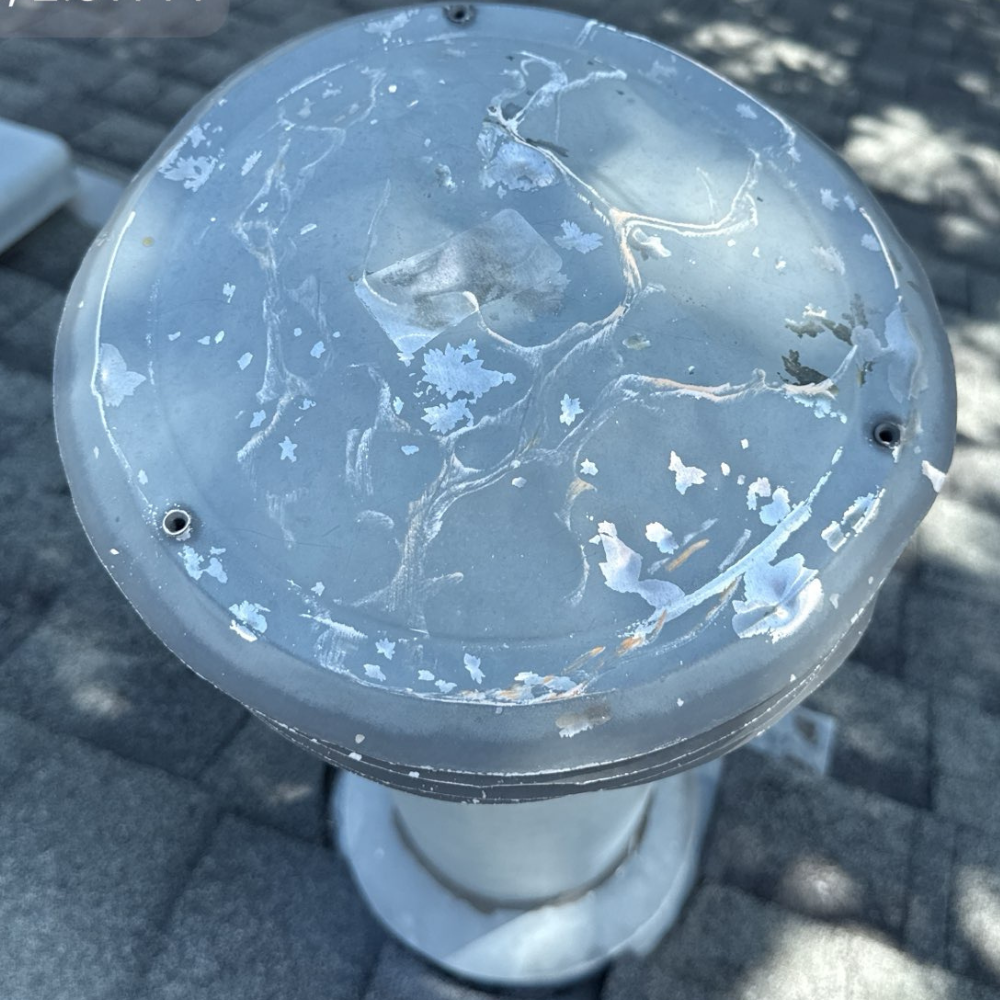
5. Hail, Wind, or Storm Damage
Storms take a major toll on residential roofs. Hail bruises shingles, while wind can tear shingle tabs or expose the roof deck.
Check for storm-related clues such as: • Dented gutters • Divots in shingles • Missing flashing • Torn ridge caps
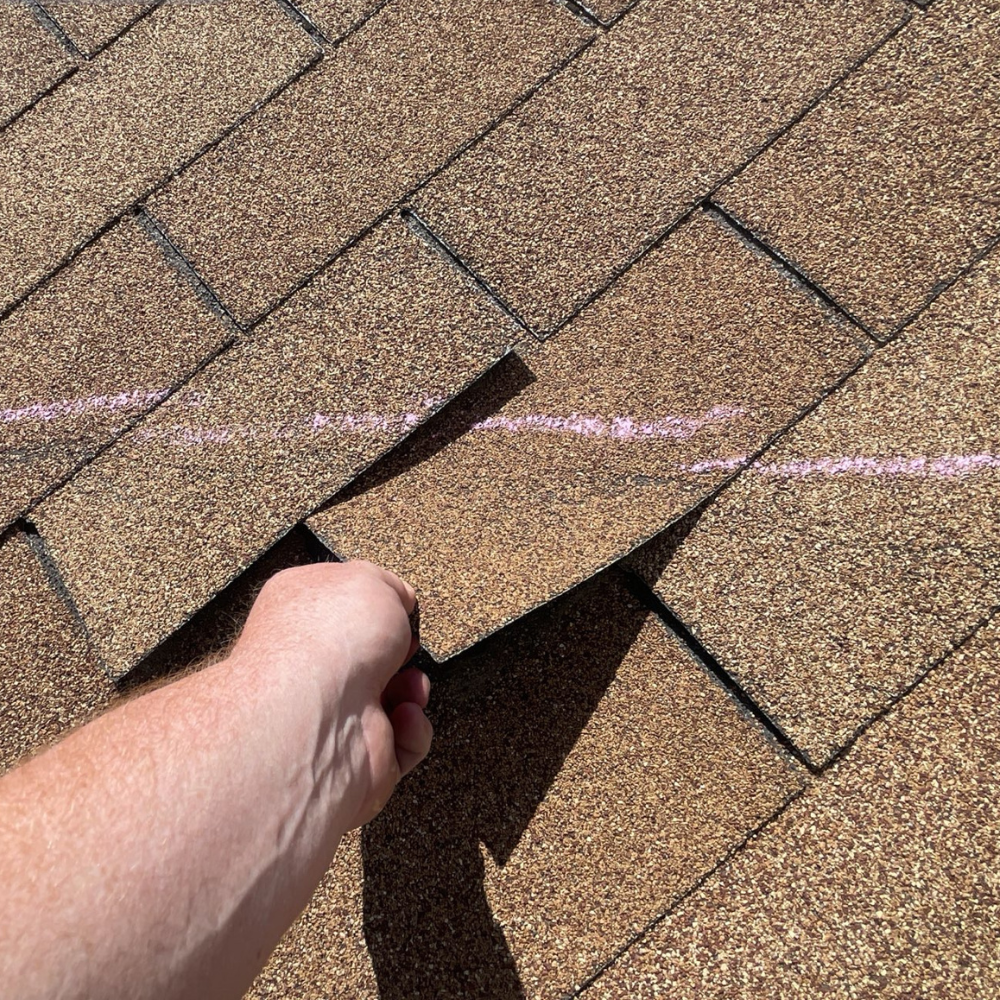
2. Curling, Cracked, or Missing Shingles
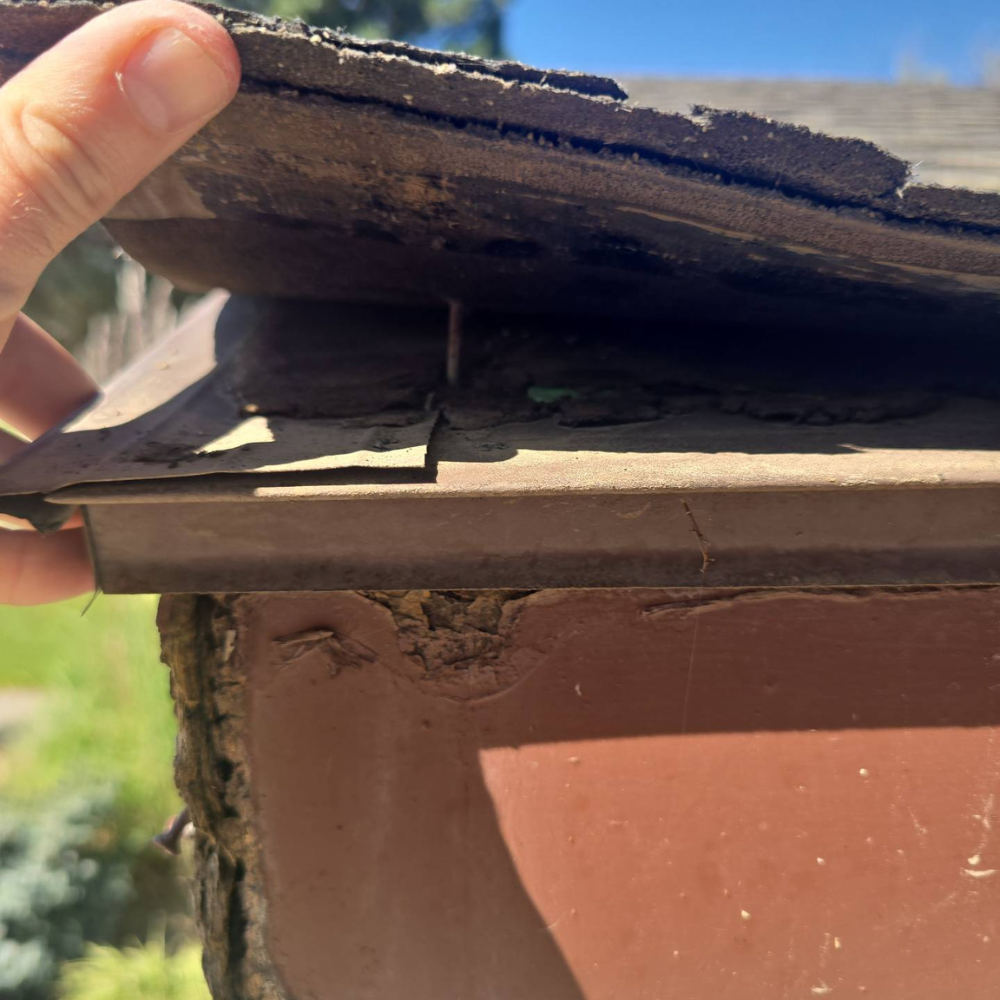
Shingles naturally deteriorate with exposure to sun, wind, rain, and hail. Watch for: • Curling or cupped shingles • Cracked or brittle shingles • Bald patches with missing granules • Sections where shingles have blown off entirely This level of deterioration indicates that repairs are no longer enough and helps signal when to replace your roof.
6. Rising Energy Bills
Poor ventilation or aging roofing materials can lead to attic heat traps, forcing HVAC systems to work harder. A roof replacement with updated materials or insulation can dramatically improve energy performance, another factor in deciding when to replace your roof.
3. Frequent or Widespread Roof Leaks
Is your attic showing water stains or mold? Are you noticing leaks after every rainstorm? Persistent leaks often signal that underlayment and decking have been compromised. At this point, a roof replacement is safer and more cost-efficient than repeated patching.
7. Mold, Moss, or Algae Growth
A little moss isn’t always serious, but heavy vegetation indicates trapped moisture. Moisture accelerates shingle decomposition and weakens the roof structure.
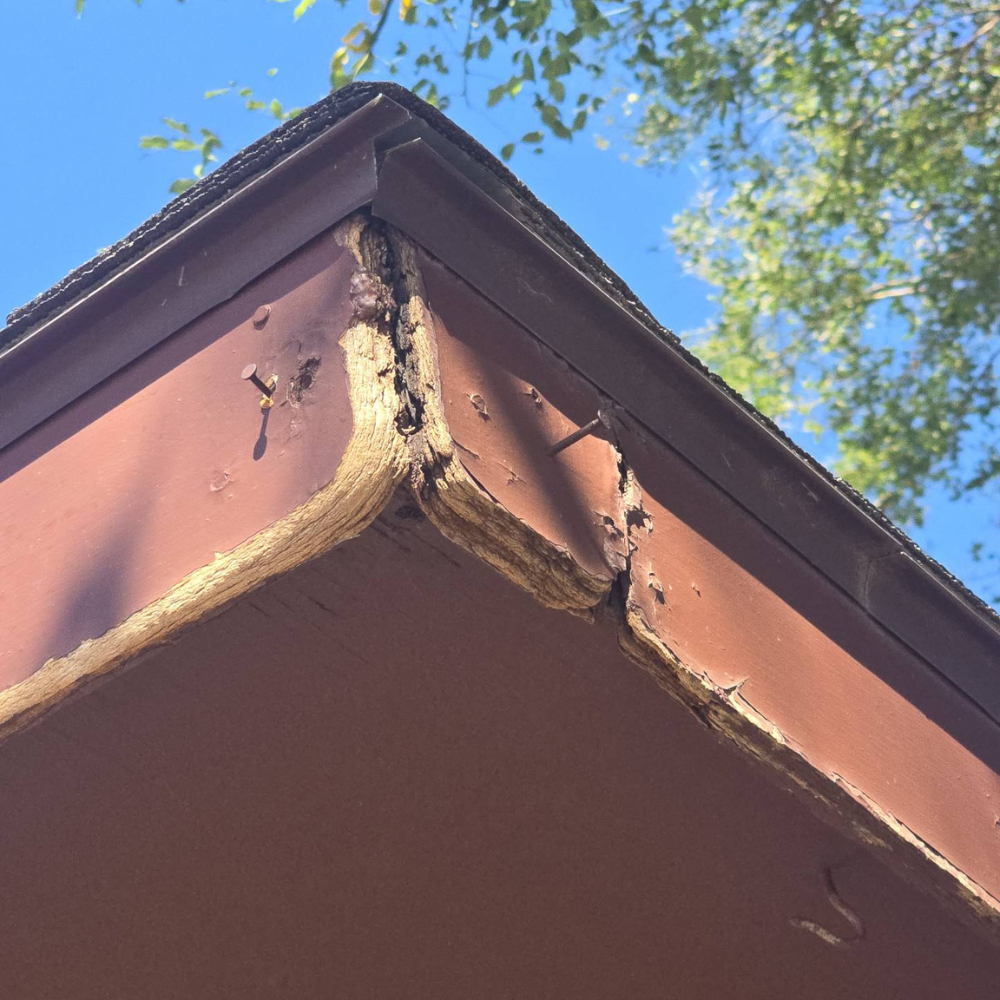
4. Sagging or Uneven Roof Structure
A sagging roof is a major red flag. Common causes include: • Rotting roof decking • Damaged rafters • Long-term moisture exposure • Structural shifting
Sagging poses safety risks and requires immediate evaluation by roofing contractors.
8. Granules in the Gutters
Finding lots of shingle granules in your gutters or downspouts means your roof is deteriorating. Granule loss is a top sign that shingles no longer offer adequate protection.
9. You’re Paying for Frequent Repairs
Once repairs become constant, a replacement becomes financially smarter. This is especially true when roofing materials are failing across large areas.
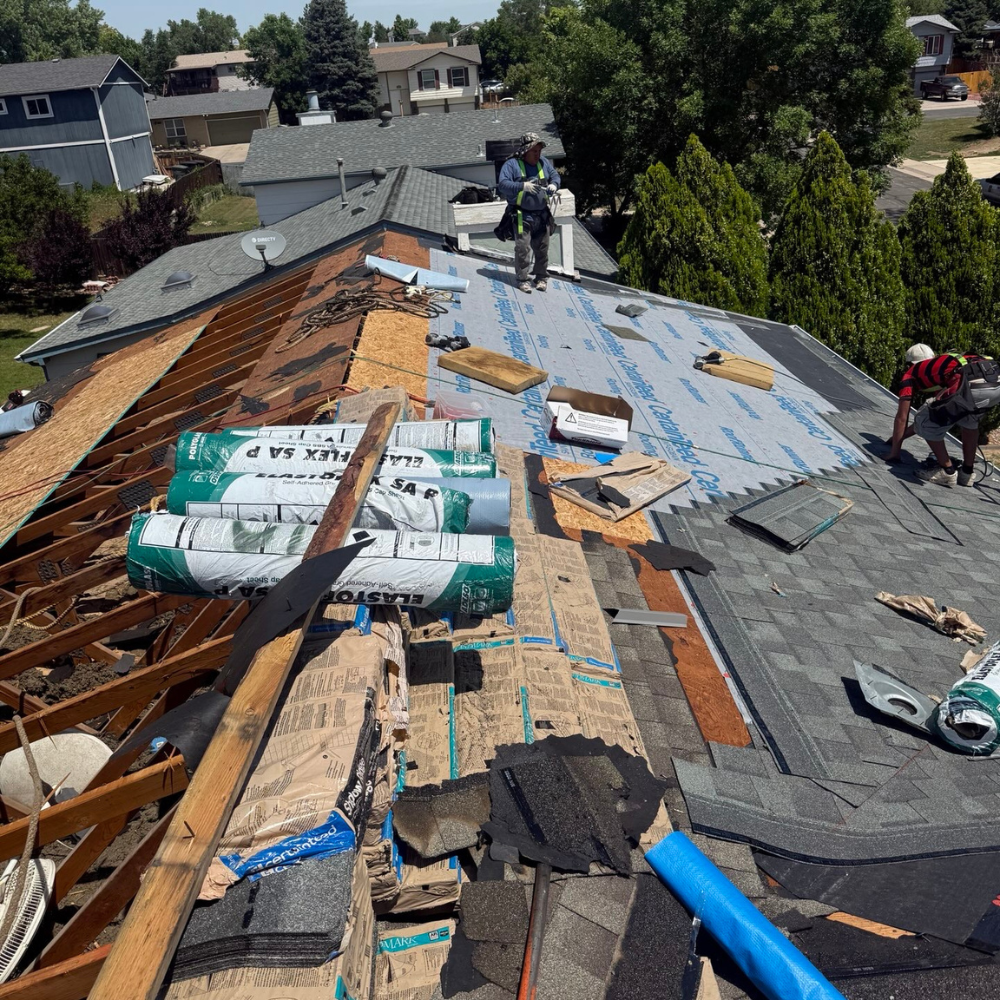
What to Expect During the Roof Installation Process
Step 1: Initial Inspection and Estimate
A roofing contractor evaluates damage, age, ventilation, and materials before providing an estimate. CarbonBlack offers comprehensive assessments to guide these decisions.
Step 2: Material Selection
Choose from various materials such as asphalt shingles, metal, tile, or synthetic options. Your choice impacts roof replacement cost, lifespan, and appearance.
1. How long does a roof replacement take? Most residential roof replacements take one to three days, depending on size and weather. More complex systems or specialty materials may take longer.
2. Does homeowners insurance cover roof replacement? Insurance often covers storm or hail damage if properly documented. It usually does not cover age-related wear. Learn more at the insurance claims section of Carbon Black.
3. What is the best roofing material for long-term durability? Metal, slate, and tile offer the longest lifespans. Asphalt shingles are the most cost-effective and widely used.
4. Should I repair or replace my roof? If the damage is localized or minor, repairs may work. Widespread wear, structural issues, or repeated leaks indicate it’s time for a replacement.
5.How do I choose the right roofing contractor? Look for licensed, insured companies with strong reviews and clear estimates. Searching “roofing contractors near me” can help you compare local professionals.
Key Takeaways
Roof replacement is necessary when you see aging, leaks, sagging, or storm damage.
Knowing the roof installation process makes planning easier.
Roof replacement cost varies by material and labor.
Choosing quality roofing materials extends your roof’s lifespan.
Carbon Black provides trusted support for inspections, storm guidance, and roofing education.