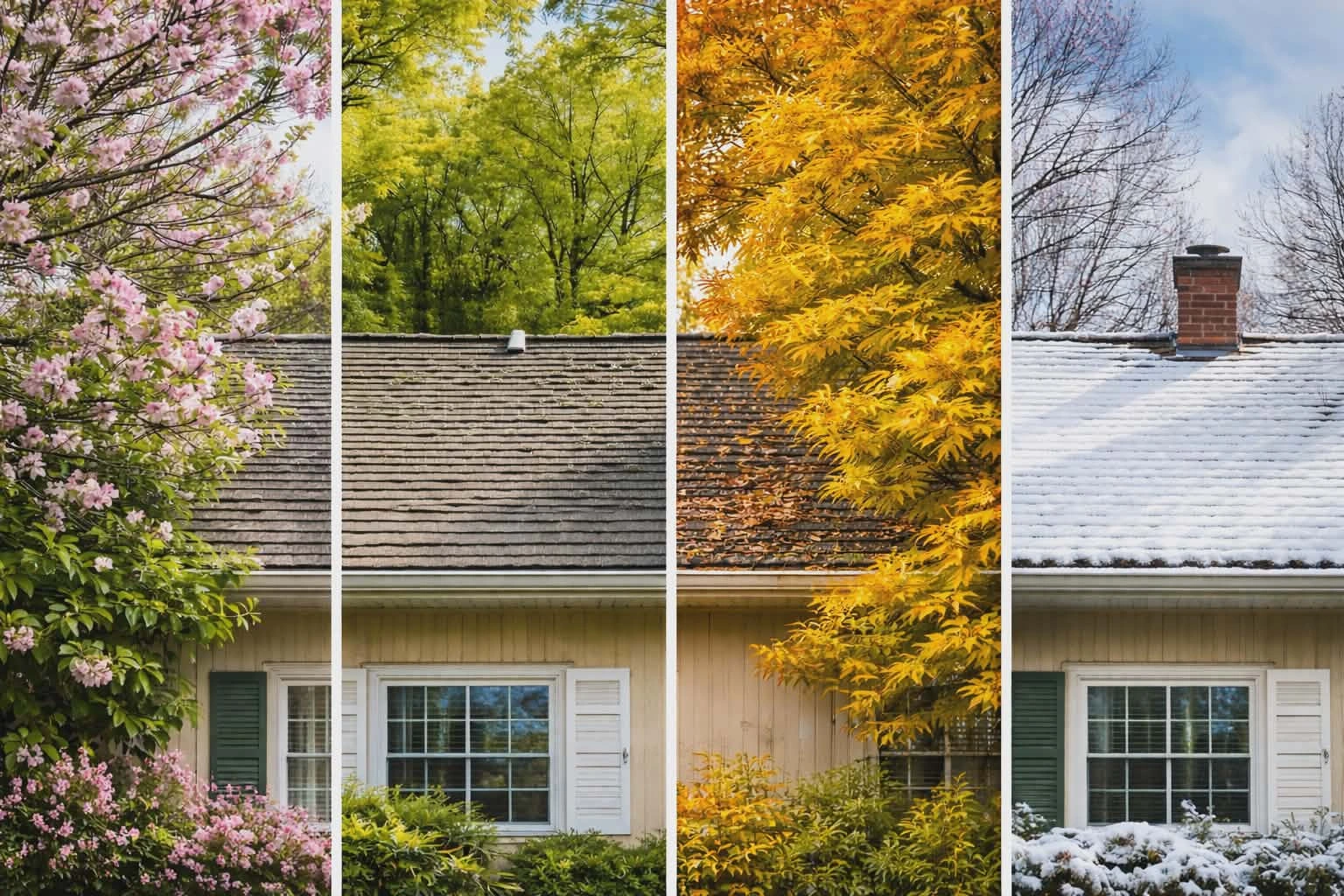
Every season places different stressors on your roof, and ignoring minor issues can lead to major storm damage and expensive repairs later. Whether you’re a homeowner, property manager, or real estate professional, understanding how to maintain your roof by season is essential for long-term home protection. This seasonal roof maintenance checklist is designed to help you identify problems early, reduce risk, and keep your property resilient through every weather shift.
Throughout this guide, we’ll reference trusted insights and tools from CarbonBlack Roofing to help you protect your property with confidence.
Seasonal Roof Maintenance Checklist for Storm Damage & Home Protection
Spring Roof Maintenance Checklist
Spring often reveals winter roof damage after snow melts and rains arrive. Here’s what to check:
Summer Roof Maintenance Checklist
Summer heat can weaken roofing materials, making your roof more vulnerable to storms and high winds.
Fall Roof Maintenance Checklist
Fall is the most important time to complete a seasonal roof maintenance schedule, as you prepare for winter.
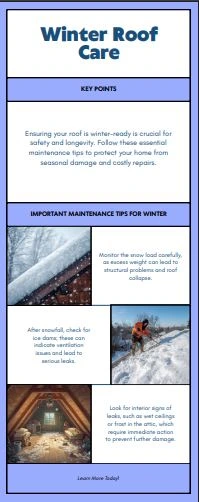
Winter Roof Maintenance Checklist
Winter conditions are tough on roofs, but you can still protect your home with simple safety-first steps.
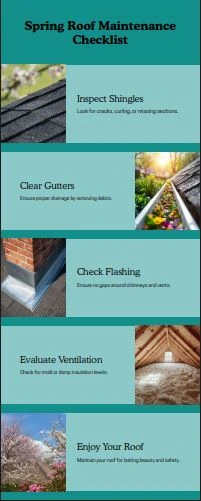
Spring Roof Maintenance Checklist
Spring is the season of discovery because melting snow and seasonal rains often reveal damage left behind by harsh winter weather. Here’s what to check on your roof each season, starting with spring:
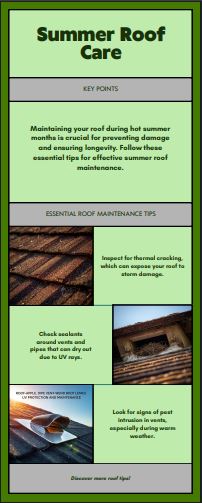
Summer Roof Maintenance Checklist
Summer heat can weaken roofing materials, making your roof more vulnerable to storms and high winds.
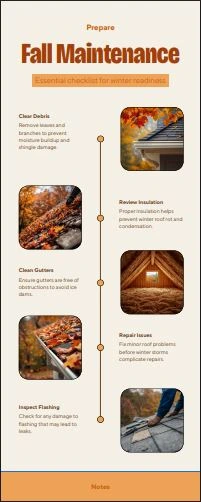
Fall Roof Maintenance Checklist
Fall is the most important time to complete a seasonal roof maintenance schedule, as you prepare for winter.
Winter Roof Maintenance Checklist
Winter conditions are tough on roofs, but you can still protect your home with simple safety-first steps.
Inspect Shingles for Cracks, Curling, or Missing Sections
Freeze-thaw cycles often cause shingles to lift or crack. Early detection keeps small damage from becoming leaks.
Clear Debris From Gutters and Downspouts
Spring showers require good drainage. Blocked gutters can cause water to back up under shingles.
Check Flashing Around Chimneys, Skylights, and Vents
Metal flashing expands and contracts in cold weather, sometimes creating gaps.
Evaluate Attic Ventilation and Moisture Levels
Look for mold, mildew, or damp insulation caused by winter condensation.
For property managers and insurance claim-driven customers, CarbonBlack Roofing offers comprehensive inspection solutions backed by documentation helpful for claims.
Book a Seasonal or Storm-Readiness Roof Inspection Today
Want a professional seasonal roof inspection or storm-readiness assessment? Contact CarbonBlack Roofing today for expert guidance and property protection.
FAQ
1. How often should I inspect my roof for seasonal damage?
Most roofs should be inspected at least twice each year, ideally in spring and fall. Additional inspections are recommended after severe storms.
2. Can I complete a DIY seasonal roof maintenance checklist myself?
Yes, homeowners can safely inspect visible roof areas from the ground, clean gutters, and check the attic. For climbing or structural repairs, hire a professional.
3. What’s the biggest seasonal threat to my roof?
Storm damage, including hail, wind, and heavy snow, poses the highest risk. Seasonal roof maintenance helps catch vulnerabilities before storms hit.
4. When is the best time to schedule a professional roofing inspection?
Early fall and late spring are ideal, as inspections can identify issues from winter damage and prepare your home for upcoming storms.
5. How can I maintain my roof by season without climbing it?
Use binoculars for visual inspections, monitor attic moisture, keep gutters clear, and schedule professionals for ladder-based assessments.
Key Takeaways
Seasonal roof maintenance is essential for preventing storm damage and improving home protection.
Spring and fall are the best times for full inspections and repairs.
Cleaning gutters, checking shingles, and examining flashing are year-round maintenance essentials.
Extreme weather requires extra vigilance, especially in summer and winter.
Professional inspections from Carbon Black Roofing enhance safety and documentation for insurance claims.