Siding and Roof Coordination Tips | Roofing Basics & Protection
When you think of roofing basics, you might picture shingles, flashing, or gutters. But one area many homeowners overlook is how siding and roofing work together as a unified protective system. In Colorado’s unpredictable climate, coordinating your exterior materials impacts far more than aesthetics. It strengthens storm damage and home protection, boosts long-term performance, and creates a cohesive look that adds value.
If you’re replacing your roof, updating siding, or repairing storm damage, this guide walks you through essential tips for pairing materials, choosing colors, and improving both style and structural resilience.
How Siding and Roof Coordination Impacts Your Home
Unified Aesthetics Create Better Curb Appeal
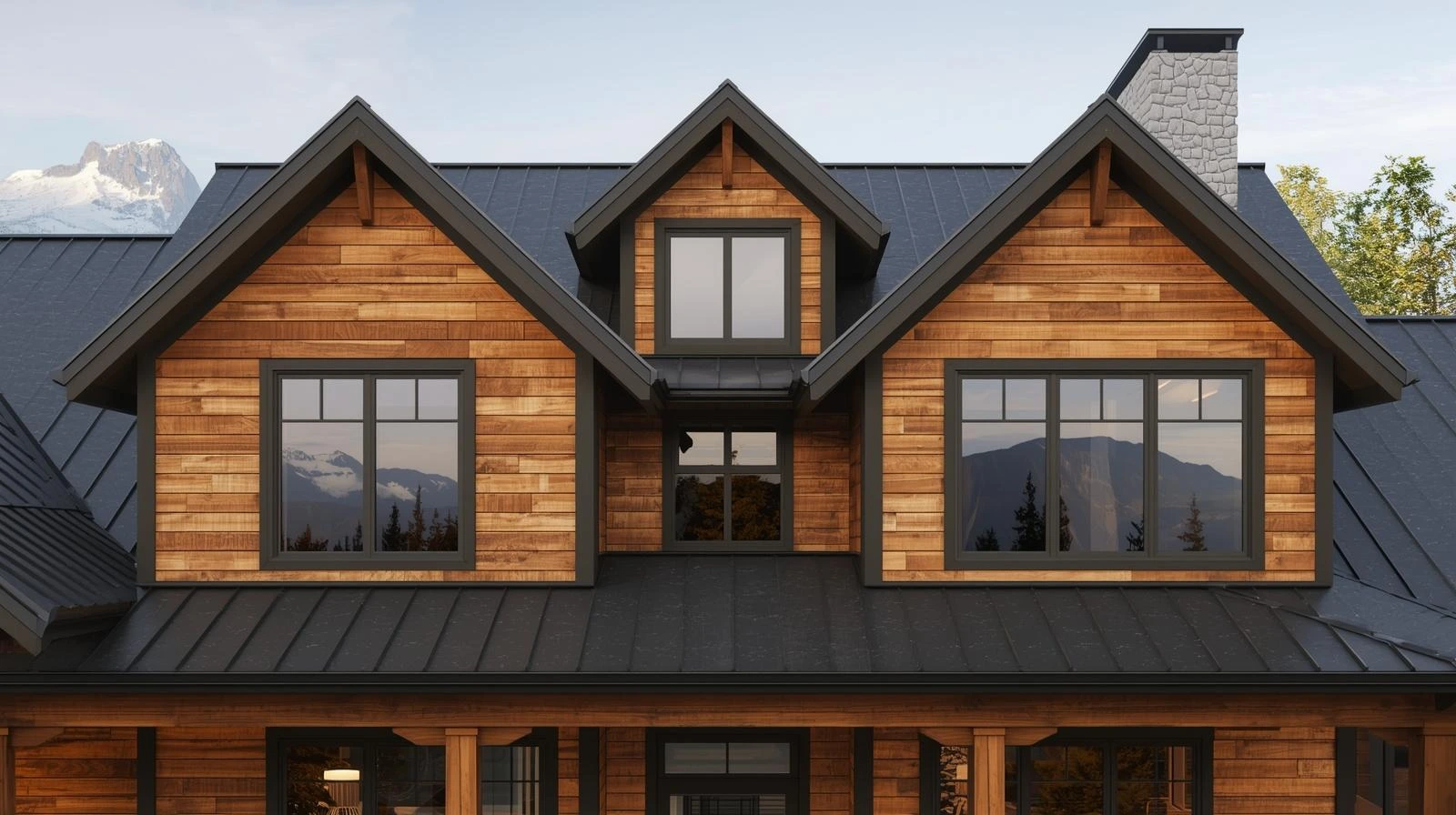
Your home’s exterior should feel balanced and intentional. Coordinating your roofing and siding helps:
Enhance architectural style
Improve color balance
Boost home value
Create a polished, modern appearance
Neutral roof colors often pair well with bold siding tones, while textured shingles complement smooth or modern panel siding.
Material Compatibility Improves Storm Damage & Home Protection
Different roofing and siding materials respond differently to hail, wind, and high UV exposure. Coordinating materials ensures your home’s exterior has uniform strength and durability.
Best combinations include:
Impact resistant shingles with fiber cement siding
Metal roofing with engineered wood siding
Stone-coated steel roofing with vinyl or composite siding
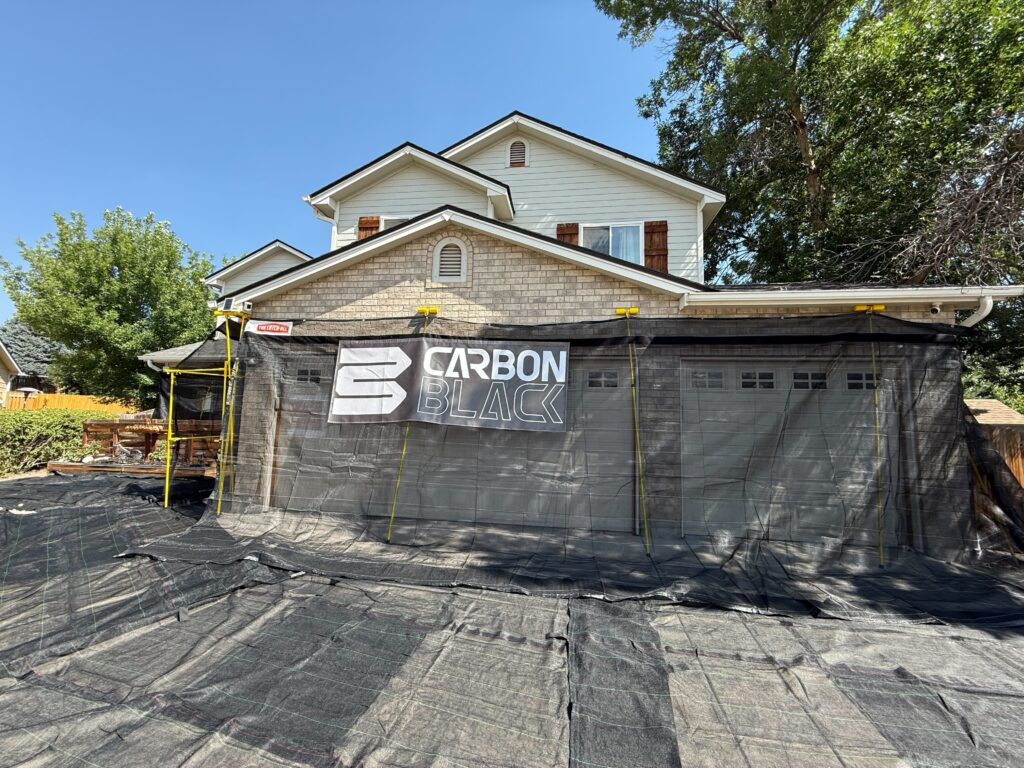
Homeowners looking to upgrade to more resilient exterior systems often consult CarbonBlack Roofing for material recommendations suited to Colorado storms.
Color Coordination Enhances Weather Performance
Darker roofs absorb more heat, while lighter roofs reflect sunlight. Coordinating your siding color with the roof shade helps regulate energy efficiency and indoor comfort.
Tips include:
Pair dark roofs with cooler siding tones to balance heat gain
Use lighter roof colors in high-elevation areas with intense sunlight
Incorporate trim accents to tie both elements together
Color Coordination Enhances Weather Performance
Darker roofs absorb more heat, while lighter roofs reflect sunlight. Coordinating your siding color with the roof shade helps regulate energy efficiency and indoor comfort.
Tips include:
Pair dark roofs with cooler siding tones to balance heat gain
Use lighter roof colors in high-elevation areas with intense sunlight
Incorporate trim accents to tie both elements together
Proper Installation Across Both Systems Prevents Water Intrusion
The most vulnerable areas of a home are where siding meets roofing the transitions.
Common weak points include:
Roof-to-wall intersections
Chimney bases
Dormers
Gables
Ensuring both siding and roofing systems are correctly flashed, sealed, and aligned dramatically reduces leak risks.
Climate-Optimized Roofing and Siding Improve Longevity
Colorado sees hailstorms, temperature swings, snow cycles, and strong sun exposure. Coordinating materials with climate in mind can extend the life of both systems.
Best choices include:
Class 4 impact resistant shingles
Fiber cement siding for fire and hail resilience
Metal roofing for high snow load regions
Vinyl siding with reinforced backing
CarbonBlack Roofing helps homeowners choose climate-optimized solutions for long-term performance.
Practical Tips for Coordinating Siding and Roofing
Choose a Color Palette that Enhances Architecture
Match your color choices to the style of your home:
Craftsman: Brown, green, natural wood
Farmhouse: White siding with black metal roofing
Modern: Charcoal roofing with smooth gray siding
Traditional: Earth-tone siding with black or slate roofing
Use online visualizer tools or consult your contractor for mockups.
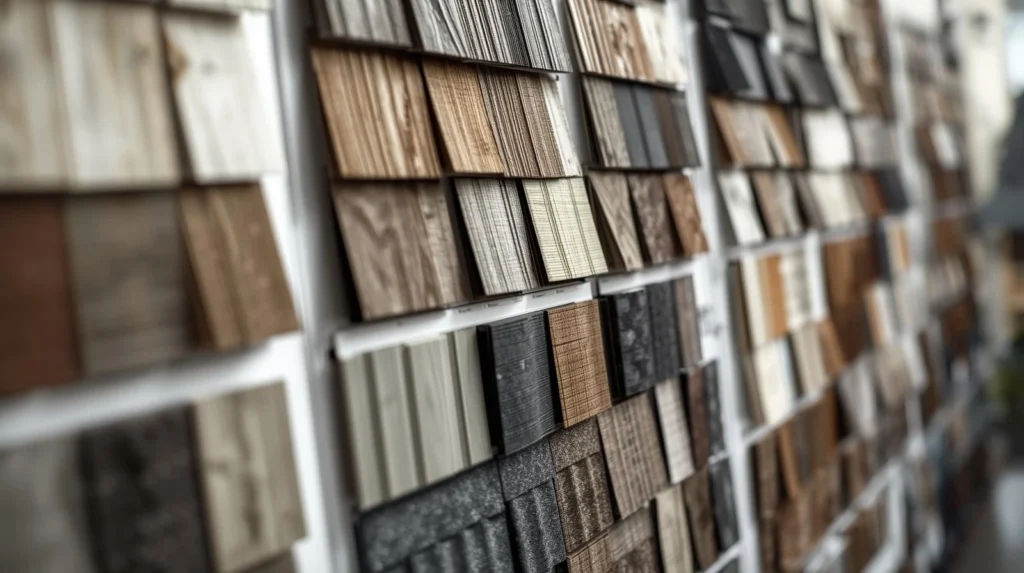
Match Textures for a Cohesive Appearance
Textures can clash if mismatched. For example:
Heavily textured shingles work best with smooth siding
Metal roofing pairs well with vertical panel siding
Wood shakes coordinate with natural or faux wood siding
Prioritize Materials Rated for Storm Damage & Home Protection
When upgrading both systems at once, invest in impact-resistant or reinforced materials. This ensures your entire exterior is optimized for storm resilience.
Plan Siding and Roof Repairs Together for Lower Costs
Coordinating projects can reduce labor and material costs. You’ll avoid duplicate work on flashing, trim, and scaffolding.
Homeowners planning storm restoration often schedule both repairs through CarbonBlack Roofingfor faster claim approvals and seamless project management.
Match Your Roof & Siding
Ready to enhance your home’s exterior with coordinated roofing and siding? Request an inspection or consultation.
FAQ
1. Why is coordinating siding and roofing important?
Coordination improves your home’s appearance and ensures both systems perform well under weather stress. Matching materials and colors also increases home value.
2. What color roof works best with most siding?
Earth tones, charcoal, and black roofing pair well with many siding colors. The best choice depends on your architectural style and exterior palette.
3. Can siding and roofing materials impact storm protection?
Yes. Impact-resistant materials offer better hail and wind protection. Choosing compatible materials strengthens your home’s entire exterior.
4. Should I replace my siding and roof at the same time?
It’s often cost effective and ensures the flashing and transitions are installed correctly. Many homeowners coordinate both for better long-term performance.
5. What materials are best for Colorado weather?
Class 4 shingles, metal roofing, fiber cement siding, and engineered wood siding perform exceptionally well in hail and high UV exposure.
Key Takeaways
Coordinating siding and roofing boosts protection and curb appeal.
Material compatibility improves storm resilience and energy efficiency.
Color balance helps regulate temperature and enhances design.
Proper installation across both systems prevents leaks and water damage.
Climate-optimized upgrades offer long-term performance for Colorado homes.