Skylight Installation & Roof Compatibility Made Easy | Roofing Basics Guide
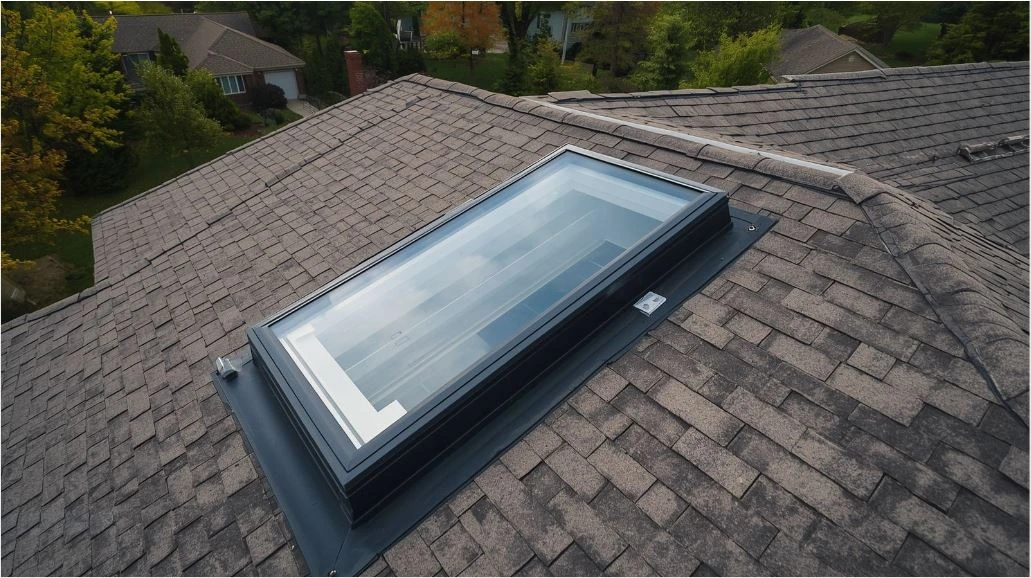
Skylight installation and roof compatibility on asphalt shingle roof with step flashing.

Skylight Installation & Roof Compatibility: Roofing Basics for Storm Damage & Home Protection

Thinking about adding more natural light to your home? Skylights are a popular upgrade that boosts comfort, energy efficiency, and visual appeal. But when it comes to roofing basics and long-term storm damage and home protection, skylight installation isn’t as simple as cutting a hole in the roof. Colorado homeowners face intense weather patterns, including hailstorms, heavy snow, and strong winds, making proper roof compatibility essential.

This guide will help you understand whether your roof is skylight-ready, what installation entails, and how to protect your home from leaks, drafts, and storm damage.

Understanding Skylight Installation & Roof Compatibility


Roof Types That Are Best for Skylight Installation

Not all roofs are equally suited for skylights. The style and pitch of your roof will determine how well the skylight functions and how it handles water, snow, and wind.

Skylight Installation & Roof Compatibility

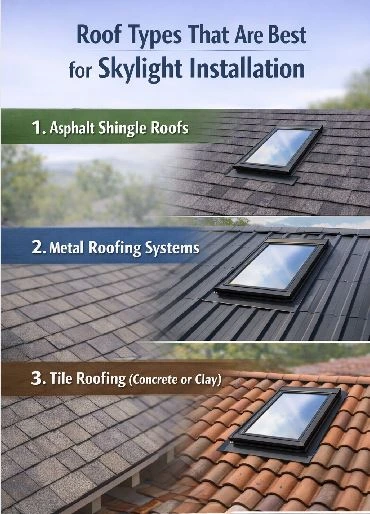
1. Asphalt Shingle Roofs

Asphalt shingle roofs are the most common and often the easiest to modify for skylight installation. They are flexible, widely compatible with flashing kits, and respond well to proper sealing techniques.

2. Metal Roofing Systems

Metal roofs are highly compatible with skylights when handled by experienced installers. Metal’s durability and water-shedding ability make it ideal, though flashing and expansion allowances must be precise.

3. Tile Roofing (Concrete or Clay)

Tile roofs can support skylights but require careful planning. Tiles may need to be removed and modified, and flashing must be customized. This type of installation works best with specialized roofers. Consult CarbonBlack Roofing when determining skylight compatibility.

Skylight Installation & Roof Compatibility

Roof Types That Are Best for Skylight Installation

Not all roofs are equally suited for skylights. The style and pitch of your roof will determine how well the skylight functions and how it handles water, snow, and wind.

1. Asphalt Shingle Roofs

Asphalt shingle roofs are the most common and often the easiest to modify for skylight installation. They are flexible, widely compatible with flashing kits, and respond well to proper sealing techniques.

2. Metal Roofing Systems

Metal roofs are highly compatible with skylights when handled by experienced installers. Metal’s durability and water-shedding ability make it ideal, though flashing and expansion allowances must be precise.

3. Tile Roofing (Concrete or Clay)

Tile roofs can support skylights but require careful planning. Tiles may need to be removed and modified, and flashing must be customized. This type of installation works best with specialized roofers.

Homeowners often consult CarbonBlack Roofing when determining skylight compatibility, especially for tile and metal roofing systems.

 Roof Types That May Require Extra Consideration

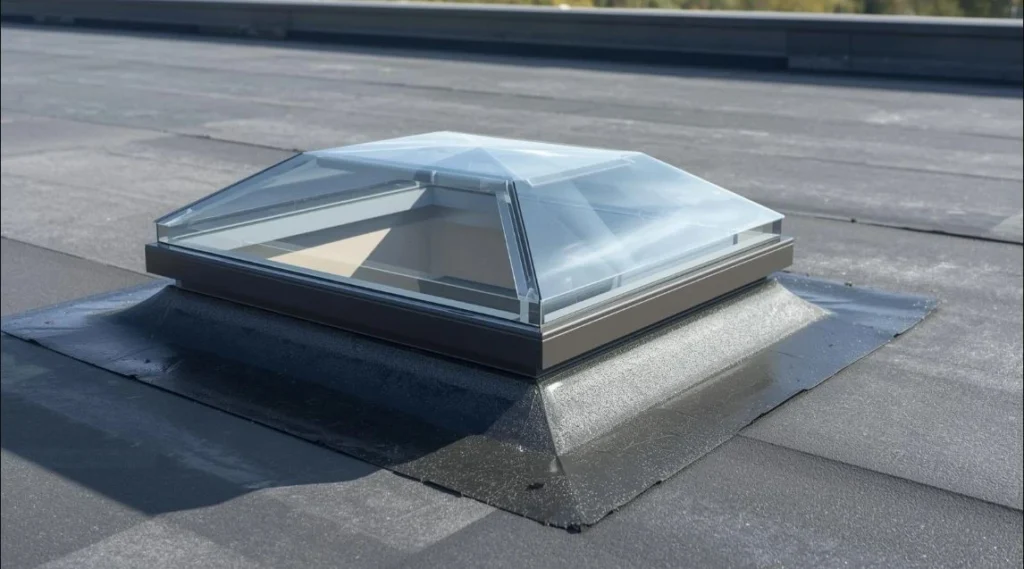
1. Flat Roofs

Skylights can be installed on flat roofs, but require domed or curb-mounted designs to prevent water pooling and leaks. Extra flashing and sealing are essential.

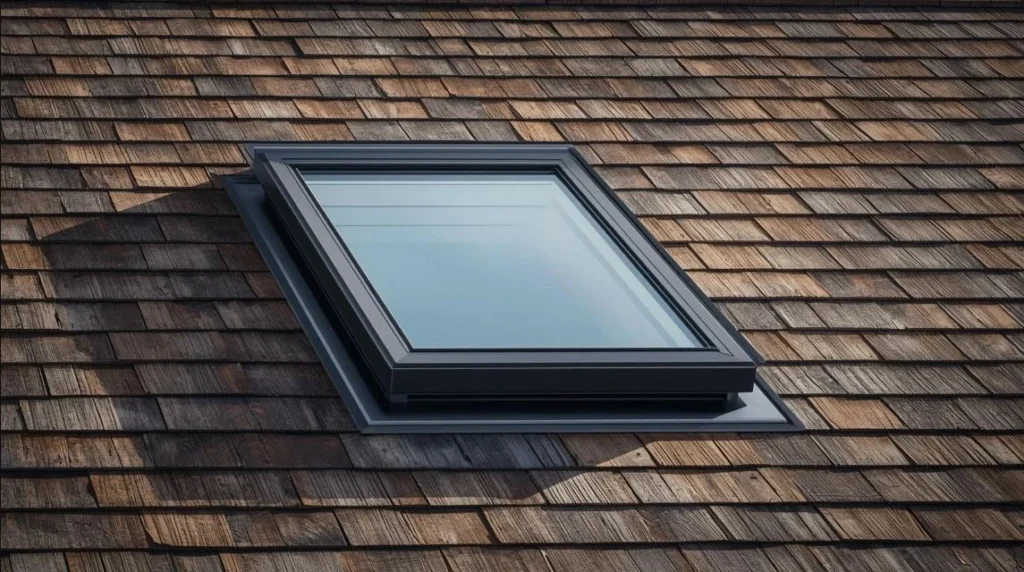
2. Wood Shake Roofing

Shake roofs expand and contract significantly, which may complicate skylight sealing. Additional underlayment and membrane reinforcement may be necessary.

U.S. Department of Energy – Skylight Guidelines.

How Skylights Affect Storm Damage & Home Protection

Skylights can be a strong addition to a Colorado home, but improper installation increases risks during storms. Prioritizing skylight installation & roof compatibility is essential. Key considerations include:

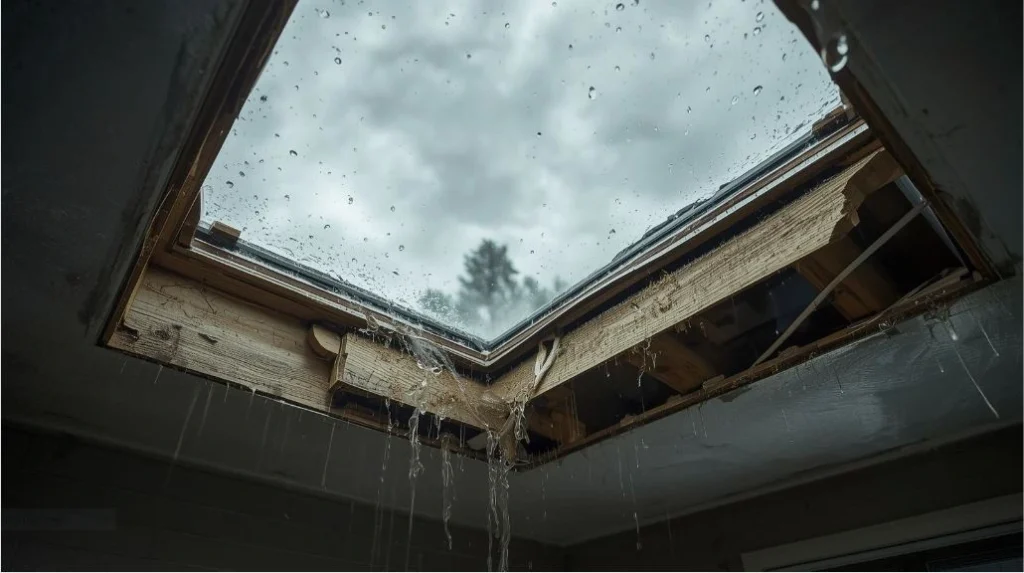
Leak Prevention

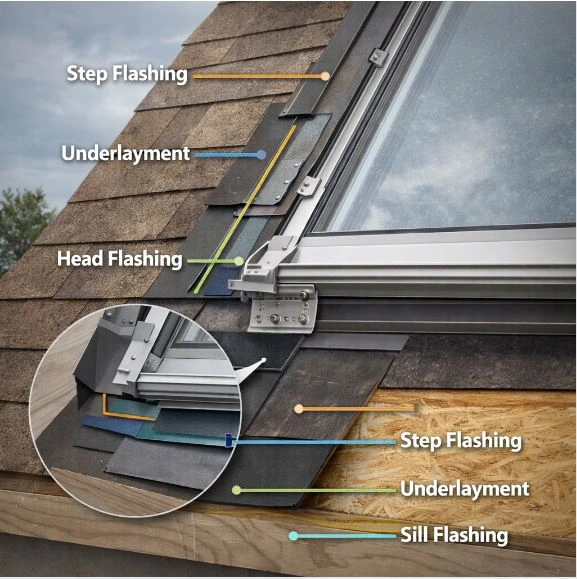
Proper flashing, underlayment integration, and sloped placement are essential to prevent leaks during rain or snowstorms.

Hail Impact Resistance

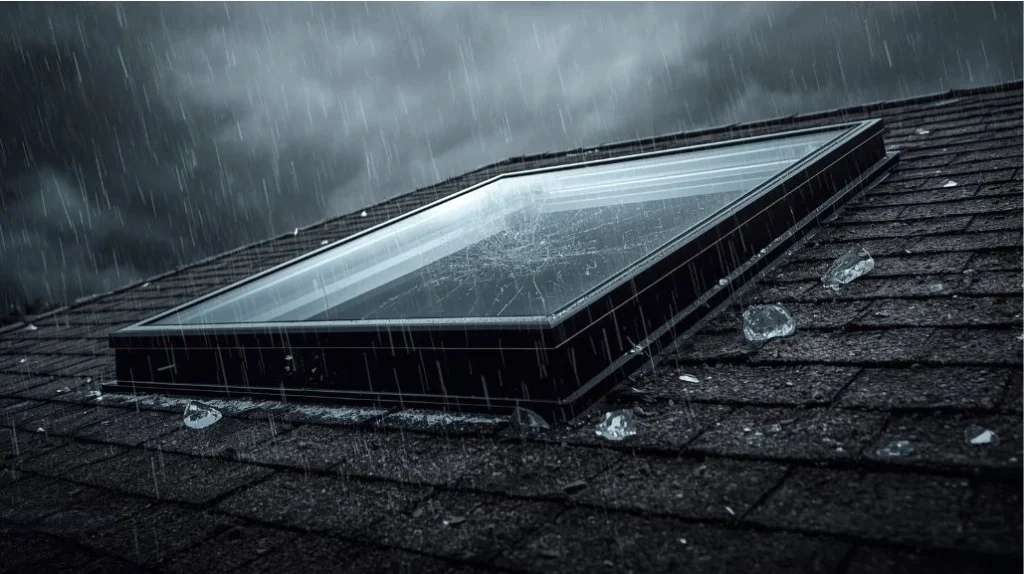
Always choose skylights rated for impact resistance (Class 4 when available). This helps protect your home during hail season.

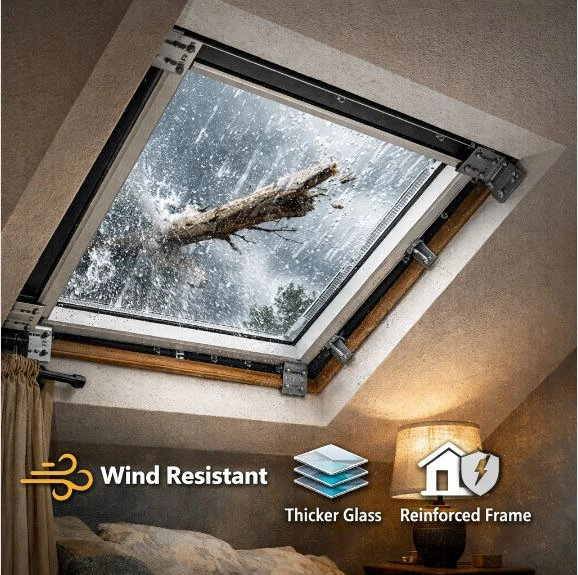
Wind Resistance

Thicker glass, reinforced frames, and strong anchoring protect skylights during high-wind events. Learn what hail damage looks like.

Placement Matters — Orientation and Pitch

Skylight performance depends heavily on where it’s installed.

Roof Pitch

Steeper roofs shed water and snow faster, making skylight performance more reliable. Low-slope roofs require curb mounting and enhanced sealing.

Orientation

  • North-facing skylights offer consistent natural light.
  • South-facing skylights provide more solar gain, ideal for winter warmth.
  • West-facing skylights receive intense afternoon sun.
  • East-facing skylights catch morning light.

Proper Installation Techniques to Prevent Damage

Step 1: Structural Assessment

Installers must confirm that roof framing can support the skylight opening.

Step 2: Cutting and Reinforcing the Opening

Precise cuts ensure the skylight fits securely and does not weaken roof integrity.

Step 3: Flashing Installation

Flashing is your primary storm defense. Layered, step-style flashing is essential for leak prevention.

Step 4: Sealing and Underlayment Integration

A waterproof underlayment extends protection beyond the skylight opening.

Step 5: Final Inspection

Every quality roofing contractor performs a leak test and ventilation check before completing the job.

Learn about roofing system structure.

Proper Installation Techniques to Prevent Damage

Step 1: Structural Assessment

Installers must confirm that roof framing can support the skylight opening.

Step 2: Cutting and Reinforcing the Opening

Precise cuts ensure the skylight fits securely and does not weaken roof integrity.

Step 3: Flashing Installation

Flashing is your primary storm defense. Layered, step-style flashing is essential for leak prevention.

Step 4: Sealing and Underlayment Integration

A waterproof underlayment extends protection beyond the skylight opening.

Step 5: Final Inspection

Every quality roofing contractor performs a leak test and ventilation check before completing the job.

Learn about roofing system structure.

Costs, Maintenance, and Long-Term Performance

Costs

Skylight installation costs vary depending on roof type, skylight size, and structural adjustments. Most homeowners can expect anywhere from 1,000 to 4,000 dollars per skylight installation.

Maintenance

  • Check seals annually
  • Clear debris from roof areas near the skylight
  • Inspect for condensation issues
  • Ensure flashing remains intact after storms

National Roofing Contractors Association (NRCA).

For post-storm inspections or skylight leak assessments, many homeowners reach out to CarbonBlack Roofing.

Are Skylights Right for Your Roof? Ask CarbonBlack Roofing

Thinking about installing a skylight or concerned about compatibility with your roof? Schedule a consultation with the experts at CarbonBlack Roofing here.


FAQ

1. Can skylights be installed on any roof type?

Most roof types can support skylights, but some require customized flashing or curb mounting. A professional evaluation ensures compatibility.

2. Do skylights increase the risk of leaks?

Not when installed correctly. Quality flashing, proper sealing, and routine maintenance greatly reduce leak risks.

3. Are skylights safe during hailstorms?

Impact-resistant skylights are designed to withstand hail. Colorado homeowners should always choose reinforced glazing.

4. How long do skylights typically last?

Skylights generally last 10 to 20 years depending on quality and maintenance.

5. Does installing a skylight affect roof warranties?

In some cases, yes. Always work with certified installers to preserve manufacturer warranties.

Key Takeaways

  • Skylights improve natural light but require roof-type compatibility.
  • Proper flashing and sealing are critical for storm protection.
  • Impact-resistant glazing is essential for Colorado hail zones.
  • Orientation, pitch, and placement impact performance.
  • Professional installation ensures safety, efficiency, and durability.
This is a staging environment