Why Roof Insurance Claims Are Denied (And What To Do)
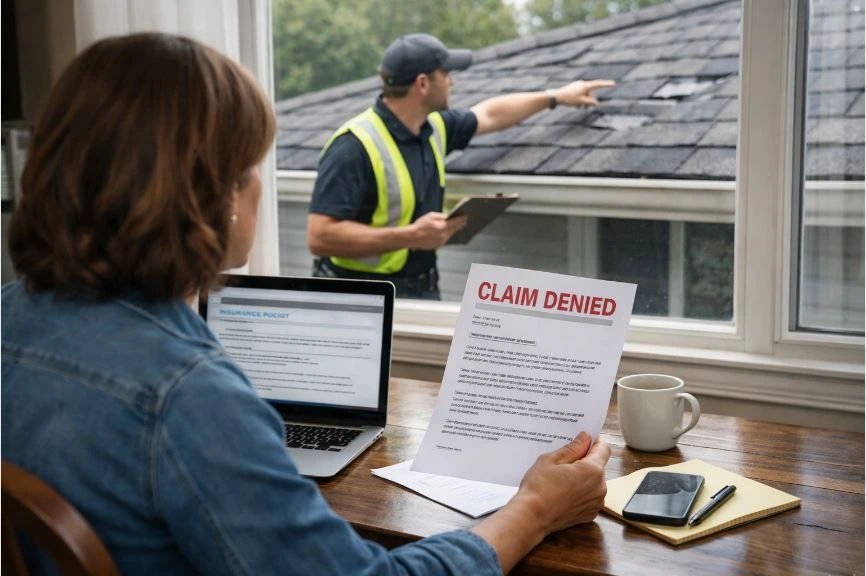
A storm rolls through, shingles go missing, and you file a claim, only to get a denial. Frustrating, right? Understanding why roof insurance claims are denied helps you avoid common pitfalls and take the right next steps. Here’s how to keep your claim on track and what to do if the answer was “no.”
The Most Common Reasons Claims Get Denied
1) Missed Deadlines or Policy Requirements
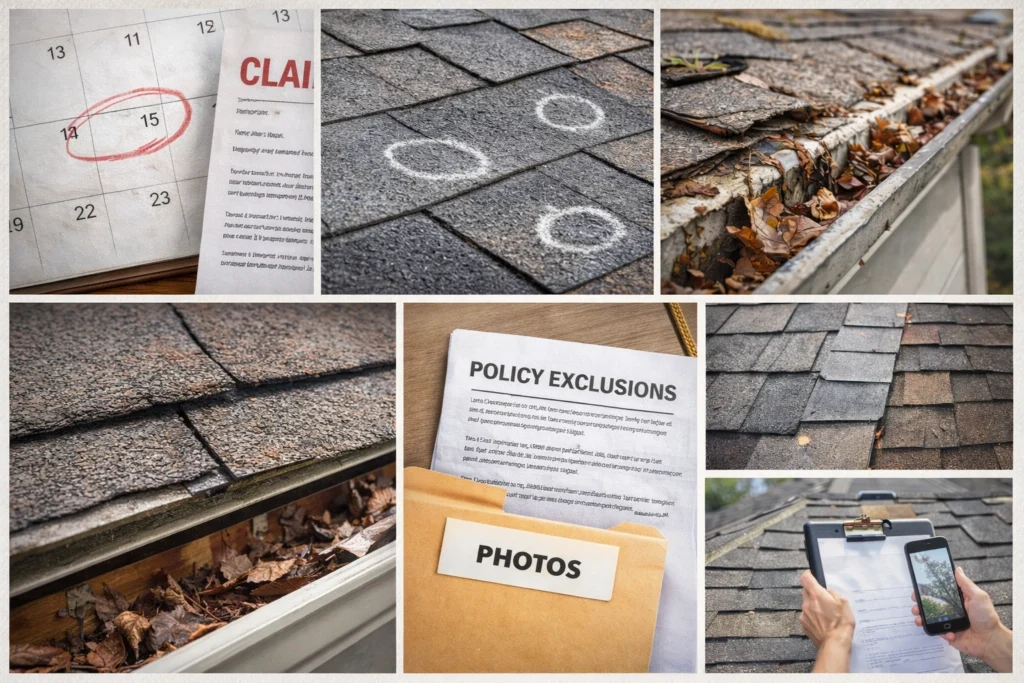
Insurers require prompt notice and clear timelines. Waiting weeks after a storm, or failing to provide requested documents, can sink an otherwise valid claim. Take photos right away and track all dates.
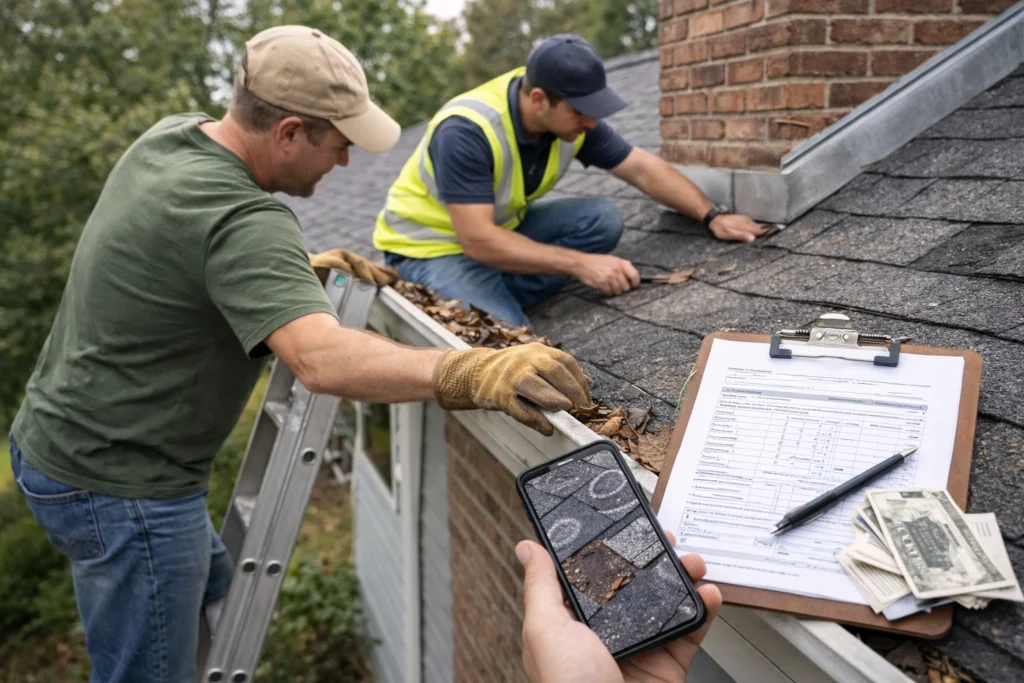
Maintenance neglect is a common reason why roof insurance claims are denied. Clogged gutters, moss, or damaged flashing signal poor upkeep, and if these issues contributed to the leak, your claim may be denied or reduced.
4) Installation or Manufacturer Defects
Improper installation, ventilation issues, or recalled materials are typically excluded. The insurer may point to workmanship problems rather than storm impact.
5) Cause of Loss Isn’t Covered
Some policies exclude wind-driven rain, cosmetic hail damage, or certain water intrusions. If the peril isn’t listed (or is excluded), the claim won’t be paid.
6) Insufficient Documentation
No “before” photos, no post-storm photos, and no professional inspection report? Lack of evidence makes it easy for an adjuster to question causation and scope.
7) Partial Damage & Mismatched Materials
If only a section is damaged and matching isn’t required by the policy or local code, insurers may approve patch repairs only, sometimes leading to disputes that look like denials.
7) Partial Damage & Mismatched Materials
If only a section is damaged and matching isn’t required by the policy or local code, insurers may approve patch repairs only, sometimes leading to disputes that look like denials.
What To Do If Your Roof Claim Was Denied
Step 1: Read the Denial Letter Carefully
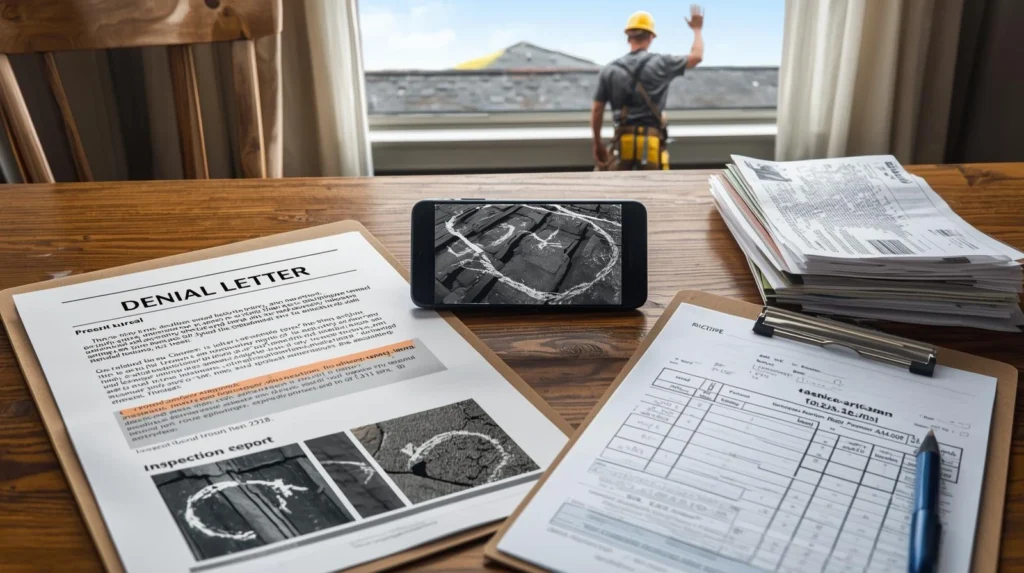
Highlight the exact reasons why roof insurance claims are denied and the specific policy language cited. You’ll use this to guide your appeal.
Step 2: Document, Then Document More
Capture wide and close-up photos, interior ceiling stains, and any displaced shingles or granules. Keep receipts for tarping or temporary repairs.
Step 3: Get a Professional Roof Inspection
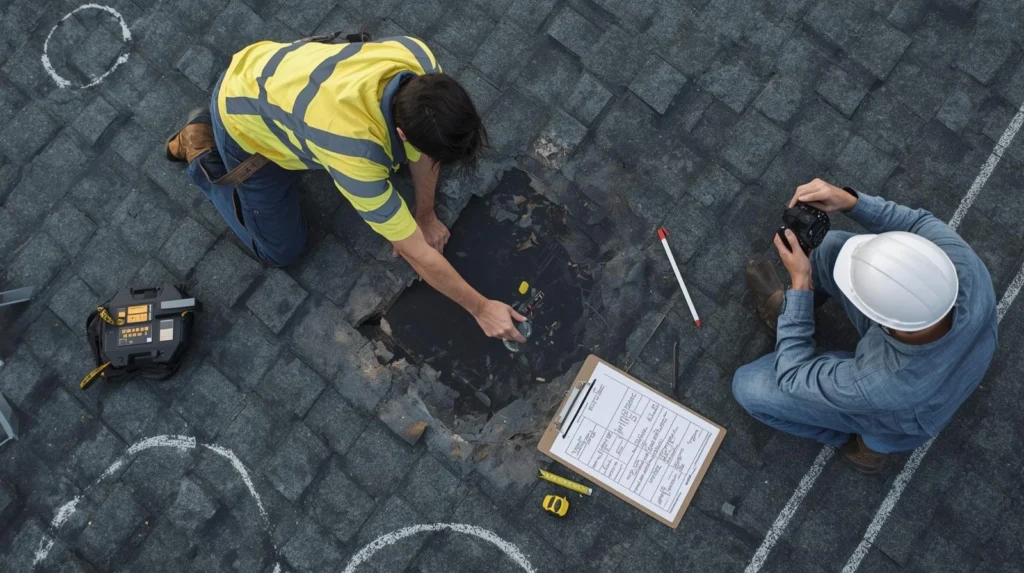
A detailed inspection report with slope-by-slope photos, measurements, and an itemized scope can change the outcome. If you’re in Colorado, CarbonBlack Roofing can help with a storm-damage assessment. Schedule a roof inspection.
Step 4: Request a Reinspection
Submit your new evidence and ask for a reinspection, ideally with the contractor present to walk the roof and discuss findings with the adjuster.
Step 5: File a Formal Appeal
Follow your carrier’s appeal process. Be concise, attach evidence, reference policy sections, and state the remedy requested (repair or full replacement).
Step 6: Know Your Options
Depending on your policy and state law, you may explore appraisal or (as a last resort) legal remedies. Keep all communication in writing.
How To Prevent a Denial Next Time
Maintain the Roof Annually
Clean gutters, replace damaged flashing, and address minor issues before storm season. Keep dated photos as a maintenance record.
File Promptly After Storms
Most policies require prompt notice. Even if damage looks minor, get it checked and start the paper trail early.
Understand Your Policy
Know your deductibles, exclusions (for example, cosmetic hail), ACV vs. RCV settlement, and any matching provisions or code-upgrade endorsements.
Hire Reputable Pros
Accurate measurements, clear photos, and a scoped estimate from a licensed contractor can make your claim easier to approve. Our roofing services
Avoid Claim Denials with a Certified Roof Inspection
Ready for a professional roof inspection? Contact CarbonBlack Roofing today to document damage the right way and protect your claim. Contact us.
FAQ
Why would my roof claim be denied for “wear and tear”? Policies cover sudden, accidental damage. If the roof’s condition shows age-related deterioration, insurers classify it as maintenance, not a covered loss.
Can I appeal a denied roof claim? Yes. Gather additional evidence (photos, contractor report), request a reinspection, and submit a concise appeal referencing the policy language.
How fast should I file a roof claim after a storm? As quickly as possible, ideally within days. Prompt notice and early documentation reduce disputes about the cause and timing of damage.
Will insurance pay for a full roof replacement? It depends on policy terms, the extent of damage, and local code. If damages are widespread or matching is required by code, full replacement is more likely.
What’s the difference between ACV and RCV? ACV (Actual Cash Value) pays depreciated value first. RCV (Replacement Cost Value) reimburses the depreciation after repairs are completed, subject to policy rules.
Key Takeaways
Most denials cite late filing, exclusions, or insufficient evidence.
Thorough documentation and a pro inspection are your strongest tools.
Ask for a reinspection and file a targeted appeal with supporting photos.
Know your policy (deductible, exclusions, ACV or RCV, matching, code upgrades).
Work with a reputable roofing contractor to streamline the claim.