Roof Lifespan 101: The Truth About Asphalt Shingles

Roof Lifespan 101: The Truth About Asphalt Shingles
If you’re budgeting for repairs or preparing to sell your home, you’re likely wondering about the asphalt shingle lifespan, how long an asphalt shingle roof truly lasts, and what factors determine that number. The reality is that materials, weather conditions, ventilation, installation quality, and ongoing maintenance all have a major impact on your roof lifespan. In this guide, we break down the real lifespan ranges, how to spot aging early, and smart ways to extend your roof’s life and overall roof lifespan.
For deeper insights, explore our related CarbonBlack resources: Roofing Basics and Resilient Roofing Solutions.
How Long Does an Asphalt Shingle Roof Last? The Factors That Matter
Shingle Type and Typical Lifespan
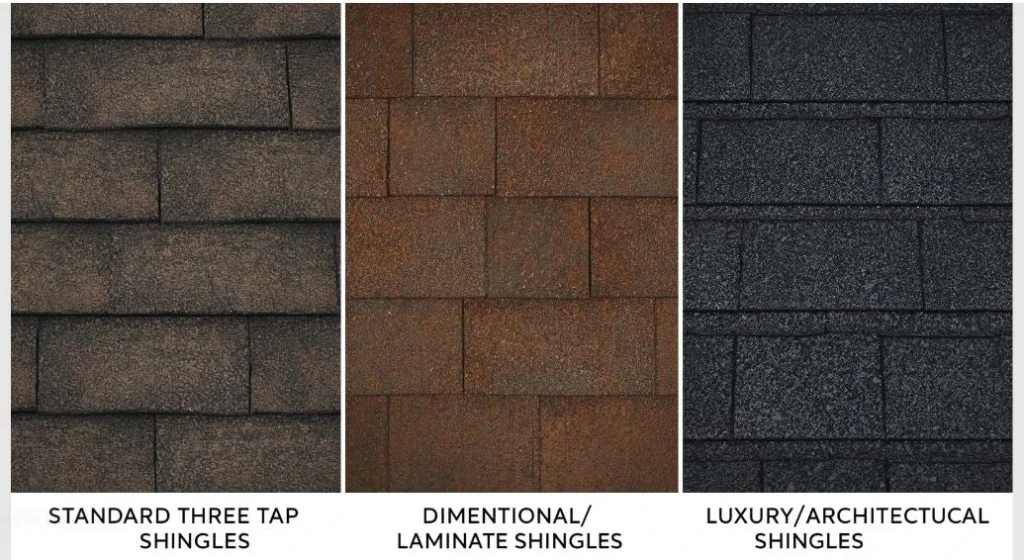
3-tab shingles: Often 15 to 20 years with proper ventilation and maintenance.
Architectural or dimensional shingles: Commonly 20 to 30 years, sometimes longer in mild climates.
Premium and impact-resistant shingles: Engineered for durability and may last longer when properly installed and maintained, especially in severe weather regions.
Climate and Weather Exposure
Sun and heat: UV exposure can accelerate granule loss and drying.
Freeze-thaw cycles: Expansion and contraction can stress seal strips and joints.
Wind and hail: Lifted tabs and bruised shingles shorten service life. If your area sees frequent storms, consider impact-rated shingles and documentation for future claims.
Humidity and algae: Coastal or shaded homes may see streaking or biological growth that affects appearance and heat absorption.
“See this government resource for additional details on how storms, heat, and moisture affect roof performance.”
Roof Design and Ventilation
Steeper slopes shed water faster and can age more slowly than low-slope sections.
Attic ventilation keeps shingle temperatures within intended ranges, preventing premature aging and helping manufacturers honor warranties.
Complex rooflines with valleys, dormers, or penetrations require extra detailing and ongoing attention.
Installation Quality
Nails placed in the correct zone, correct shingle staggering, sealed flashing, and straight courses are essential. Small mistakes can shave years off performance.
Maintenance and Care
Annual or seasonal inspections catch small problems before they spread.
Debris removal keeps water moving and prevents shingle edge deterioration.
Gutter cleaning reduces ice dams and moisture backing up under shingles.
Timely repairs to flashing, vents, and lifted tabs prevent leaks that compromise decking.
Shingle Type and Typical Lifespan
3-tab shingles: Often 15 to 20 years with proper ventilation and maintenance.
Architectural or dimensional shingles: Commonly 20 to 30 years, sometimes longer in mild climates.
Premium and impact-resistant shingles: Engineered for durability and may last longer when properly installed and maintained, especially in severe weather regions.
Climate and Weather Exposure
Sun and heat: UV exposure can accelerate granule loss and drying.
Freeze-thaw cycles: Expansion and contraction can stress seal strips and joints.
Wind and hail: Lifted tabs and bruised shingles shorten service life. If your area sees frequent storms, consider impact-rated shingles and documentation for future claims.
Humidity and algae: Coastal or shaded homes may see streaking or biological growth that affects appearance and heat absorption.
Roof Design and Ventilation
Steeper slopes shed water faster and can age more slowly than low-slope sections.
Attic ventilation keeps shingle temperatures within intended ranges, preventing premature aging and helping manufacturers honor warranties.
Complex rooflines with valleys, dormers, or penetrations require extra detailing and ongoing attention.
Installation Quality
Nails placed in the correct zone, correct shingle staggering, sealed flashing, and straight courses are essential. Small mistakes can shave years off performance.
Maintenance and Care
Annual or seasonal inspections catch small problems before they spread.
Debris removal keeps water moving and prevents shingle edge deterioration.
Gutter cleaning reduces ice dams and moisture backing up under shingles.
Timely repairs to flashing, vents, and lifted tabs prevent leaks that compromise decking.
Maximizing the Life of Your Asphalt Shingle Roof
Lifespan Benchmarks You Can Use
Rule of thumb by shingle class:
3-tab: plan for replacement around years 15 to 20.
Architectural: plan for years 20 to 30.
Premium or impact-resistant: planning windows can extend beyond 30 in mild climates.
But remember: warranties and real-world lifespan are not the same. A 30-year warranty often includes prorating and terms that assume perfect installation and maintenance. Keep records of inspections and repairs to support any claim.
Signs Your Asphalt Shingles Are Nearing End of Life
- Curled or cupped tabs that don’t lie flat
- Bald spots or heavy granule loss collecting in gutters
- Cracks, tears, or missing shingles after routine winds
- Widespread dark streaks or moss indicating moisture issues
- Persistent attic leaks or daylight through the deck
- Frequent patchwork repairs that no longer hold between storms
If hail is common where you live, review photo examples of typical hail-related bruising and fractures here:
What Hail Damage Looks Like (IBHS Guide)
Ways To Extend the Life of an Asphalt Shingle Roof
- Schedule regular inspections after severe weather and at least once per year.
- Clear branches and debris that can trap moisture or scour the surface during wind events.
- Maintain gutters and downspouts so water leaves fast.
- Improve attic ventilation with balanced intake and exhaust.
- Upgrade vulnerable areas like flashing and valleys using durable metals and proper underlayments.
- Consider impact-resistant shingles if you’re in a hail or high-wind zone. Learn more in CarbonBlack’s Resilient Roofing Solutions.
- Document everything for maintenance records and potential insurance claims.
Lifespan vs Warranty vs Replacement Timing
Lifespan is the practical service period a roof provides with normal care.
Warranty is a legal promise with conditions. Read the fine print on ventilation, underlayments, and transfer rules.
Replacement should be timed before leaks spread to decking or interior finishes. Proactive replacement often costs less than emergency work after a storm.
Prefer a professional opinion
Book a quick assessment with CarbonBlack to document current condition, estimate remaining life, and plan a smart replacement window.
FAQ
How long does an asphalt shingle roof last in hot climates
High UV exposure and heat can accelerate aging. Expect the lower end of the typical range unless ventilation and maintenance are excellent.
What is the difference between 3-tab and architectural shingles
3-tab shingles are thinner and lighter, so they typically have a shorter life. Architectural shingles are thicker and layered for better durability and wind resistance.
Do impact-resistant shingles last longer
They are engineered to withstand hail and wind better, which can reduce storm-related failures. Actual lifespan still depends on installation, ventilation, and maintenance.
Can I layer new shingles over old ones to save money
It is allowed in many areas, but it can mask deck problems, add weight, and may reduce lifespan compared to a full tear-off. Always check local codes and manufacturer guidance.
How do I know if my roof needs replacing vs repairing
If damage is widespread, leaks are recurring, or the roof is near the end of its expected life, replacement is often the most cost-effective option. A professional inspection provides clarity.
Key Takeaways
Most asphalt shingle roofs last 15 to 30 years with good installation, ventilation, and care.
Architectural shingles typically outlast 3-tab shingles.
Storms, sun, and poor ventilation are top lifespan killers.
Proactive maintenance and record-keeping protect both lifespan and warranties.
Timing replacement before leaks escalate saves money and stress.