Roof Warranty vs Insurance: What’s Covered in Storm Damage
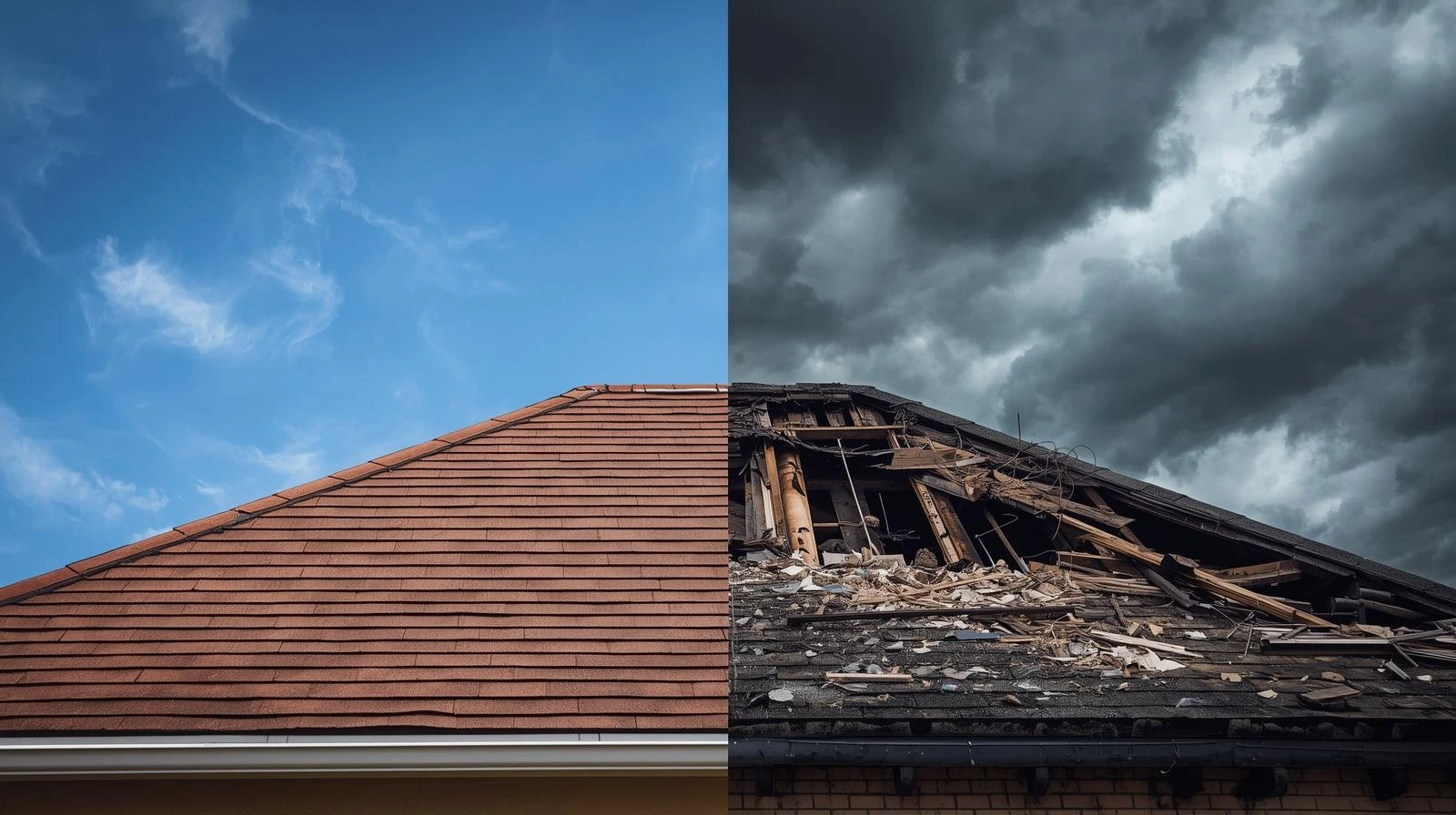
Roof Warranty vs. Insurance – What’s Covered
After a major storm, most homeowners ask the same question: “Will my warranty or my insurance cover this?” It’s a fair question, especially when roof repairs or replacements can be costly. Knowing the difference between a warranty and an insurance claim can save time, stress, and money. This guide breaks down roof warranty vs insurance coverage in a clear way, helping you understand which option applies to storm damage roof repair, leaks, aging shingles, and structural issues.
Roof Warranty vs Insurance – Understanding the Difference
When roofs fail or show damage, homeowners often confuse warranty protection with insurance coverage. But they operate very differently, and knowing how each works helps you choose the right path forward.
What a Roof Warranty Typically Covers
Most roof warranties fall into two categories: material warranties and workmanship warranties.
Material Warranty
Covers defects that come from the manufacturer.
Examples include:
- Shingle blistering
- Premature granule loss
- Structural defects in roofing products
Workmanship Warranty
Covers errors made during installation.
Examples include:
- Incorrect nailing
- Poor flashing installation
- Improper ventilation setup
Important: Warranties rarely cover weather-related events or physical impact. They apply only to defects or human error.
To understand your roof system better, check out CarbonBlack’s educational guide.
What Roofing Insurance Usually Covers
Insurance is designed to protect against sudden, accidental events.
This is where storm damage roof repair coverage falls in.
Typical insurance-covered events include:
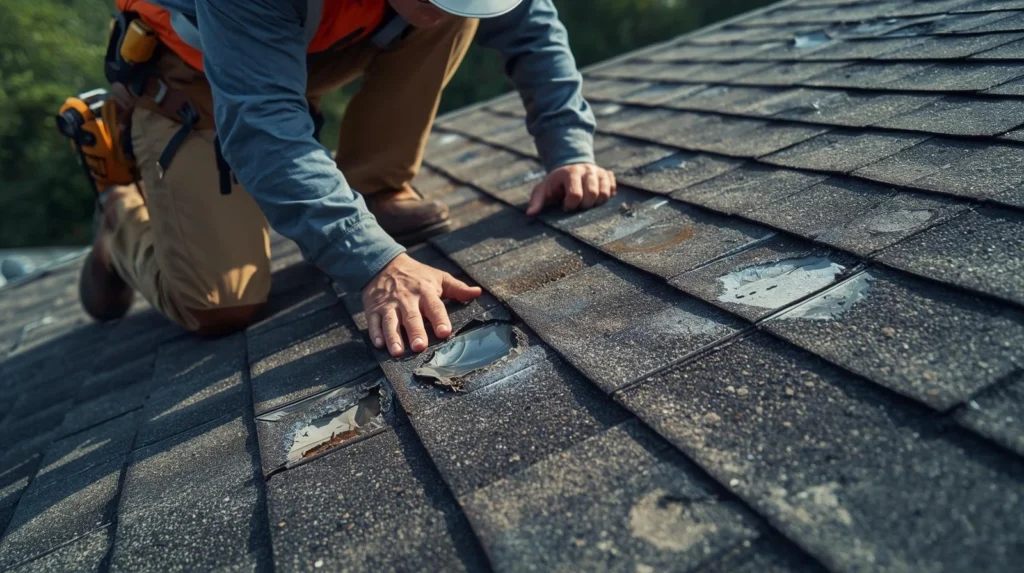
- Hail strikes
- High-wind shingle lifting
- Falling debris
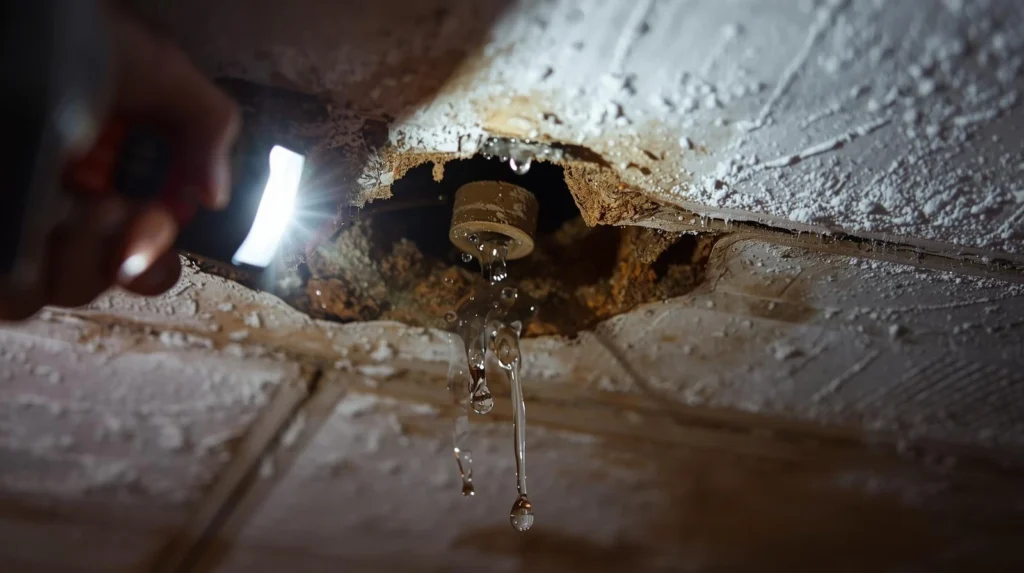
- Storm-driven leaks
- Ice damage depending on the policy
This is why homeowners often file roof repair insurance claims after severe weather.
For insurance guidance, refer to CarbonBlack’s dedicated resource.
Warranty vs Insurance – Cost Comparison
When comparing roof warranty vs insurance cost, consider the following:
Warranty Costs
- Manufacturer warranties often come with the roofing purchase.
- Extended warranties may have an added fee.
- No deductible for approved warranty claims.
Insurance Costs
- Homeowners pay a deductible for each claim.
- Claims may impact future premiums.
- Coverage depends on your insurer’s terms.
Insurance covers more severe, high-cost events. Warranties cover small but important workmanship or product issues.
Using a Roof Warranty Before an Insurance Claim
Many homeowners don’t realize they can use their warranty first.
This is helpful when the issue isn’t storm-related.
Warranty applies to:
- Manufacturer defects
- Workmanship mistakes
- Early shingle deterioration
Insurance applies to:
- Hail
- Wind
- Storm debris
- Sudden impact
Using your warranty first may reduce out-of-pocket expenses and prevent unnecessary insurance claims.
National Roofing Contractors Association (NRCA)
Insurance Institute for Business & Home Safety (IBHS)
Roof Leaks – Warranty or Insurance?
A common homeowner question is whether a roof leak falls under a warranty or insurance.
Warranty Covers Leaks If:
- Caused by faulty installation
- Caused by defective products
- Resulting from poor sealing or flashing
Insurance Covers Leaks If:
- Resulting from storm damage
- Caused by falling objects
- Cased by wind-driven rain after shingle failure
If you’re unsure, CarbonBlack’s inspection team can identify which type applies.
Explore storm-ready roofing options.
What a Roof Warranty Typically Covers
Most roof warranties fall into two categories: material warranties and workmanship warranties.
Material Warranty
Covers defects that come from the manufacturer.
Examples include:
- Shingle blistering
- Premature granule loss
- Structural defects in roofing products
Workmanship Warranty
Covers errors made during installation.
Examples include:
- Incorrect nailing
- Poor flashing installation
- Improper ventilation setup
Important: Warranties rarely cover weather-related events or physical impact. They apply only to defects or human error.
To understand your roof system better, check out CarbonBlack’s educational guide.
What Roofing Insurance Usually Covers
Insurance is designed to protect against sudden, accidental events.
This is where storm damage roof repair coverage falls in.
Typical insurance-covered events include:
- Hail strikes
- High-wind shingle lifting
- Falling debris
- Storm-driven leaks
- Ice damage depending on the policy
This is why homeowners often file roof repair insurance claims after severe weather.
For insurance guidance, refer to CarbonBlack’s dedicated resource.
Warranty vs Insurance – Cost Comparison
When comparing roof warranty vs insurance cost, consider the following:
Warranty Costs
- Manufacturer warranties often come with the roofing purchase.
- Extended warranties may have an added fee.
- No deductible for approved warranty claims.
Insurance Costs
- Homeowners pay a deductible for each claim.
- Claims may impact future premiums.
- Coverage depends on your insurer’s terms.
Insurance covers more severe, high-cost events. Warranties cover small but important workmanship or product issues.
Using a Roof Warranty Before an Insurance Claim
Many homeowners don’t realize they can use their warranty first.
This is helpful when the issue isn’t storm-related.
Warranty applies to:
- Manufacturer defects
- Workmanship mistakes
- Early shingle deterioration
Insurance applies to:
- Hail
- Wind
- Storm debris
- Sudden impact
Using your warranty first may reduce out-of-pocket expenses and prevent unnecessary insurance claims.
National Roofing Contractors Association (NRCA)
Insurance Institute for Business & Home Safety (IBHS)
Roof Leaks – Warranty or Insurance?
A common homeowner question is whether a roof leak falls under a warranty or insurance.
Warranty Covers Leaks If:
- Caused by faulty installation
- Caused by defective products
- Resulting from poor sealing or flashing
Insurance Covers Leaks If:
- Resulting from storm damage
- Caused by falling objects
- Cased by wind-driven rain after shingle failure
If you’re unsure, CarbonBlack’s inspection team can identify which type applies.
Explore storm-ready roofing options.
Warranty or Insurance? Get a Pro Roof Check Today
Need help determining whether your roof issue is a warranty or insurance claim? Schedule an inspection with CarbonBlack today.
FAQ
1. Does a roof warranty cover storm damage?
No. Warranties cover defects or installation issues. Storm damage must be addressed through your insurance provider.
2. What should I file first: a warranty claim or insurance claim?
If the issue seems defect-related, start with your warranty. For weather-related problems, insurance is the correct path.
3. Can insurance deny a roof claim?
Yes, especially if the damage is due to aging, neglect, or non-storm-related deterioration. Professional documentation helps strengthen claims.
4. Are leaks covered under warranty or insurance?
Leaks caused by defects are typically covered under warranty. Storm-driven leaks fall under insurance.
5. Should I have a professional inspection before filing?
Absolutely. A proper inspection helps determine whether the issue is warrantable or insurance-covered, preventing claim denial.
Key Takeaways
- Warranties cover defects, insurance covers sudden storm events.
- Insurance is essential for storm damage roof repair needs.
- Filing the correct type of claim avoids delays and denials.
- Leaks may fall under warranty or insurance depending on the cause.
- CarbonBlack helps homeowners navigate both claims with clarity.