Why Proper Attic Ventilation Matters: Roofing Basics for Storm Damage & Home Protection
Have you ever suspected something was “off” with your roof but couldn’t quite identify the issue? Many Colorado homeowners overlook attic ventilation, yet it’s one of the most important roofing basics for long-term storm damage and home protection. Without the right airflow, your attic can trap heat and moisture, weaken roof materials, increase energy bills, and even contribute to mold growth.
In a storm-heavy state like Colorado, proper ventilation helps your roof stay resilient against hail, wind, and rapid temperature changes. This guide explains why attic ventilation matters, how it impacts home safety, and what homeowners should know before storm season.
Why Attic Ventilation Is Essential for a Healthy Roof
It Prevents Heat Buildup That Damages Roofing Materials
Colorado summers can be harsh, especially at higher elevations. When an attic lacks ventilation, heat builds up rapidly beneath the roof deck. This excessive heat accelerates:
Shingle aging
Cracking and curling
Granule loss
Premature roof replacement
Proper ventilation allows hot air to escape, reducing long-term damage and keeping the roofing structure stable.
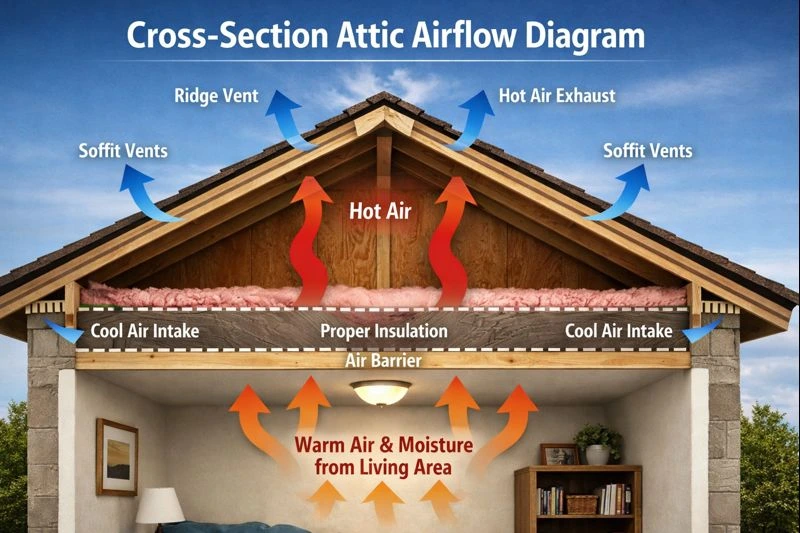
Moisture is one of the top contributors to roof rot and mold. Warm air inside the home rises and collects in the attic where it can condense on cooler surfaces, especially during winter.
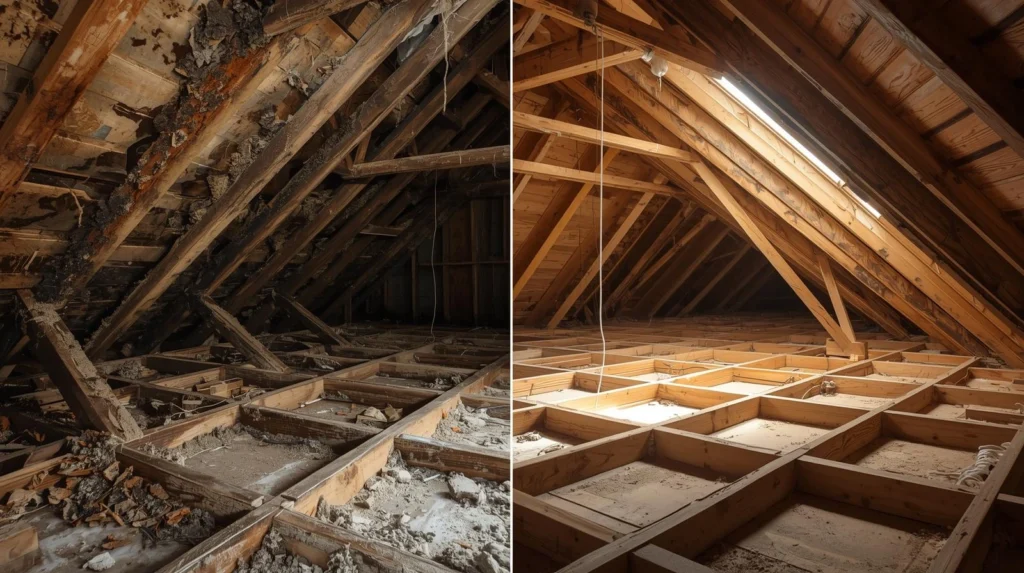
This leads to:
Mold and mildew growth
Wet insulation
Soft or rotting decking
Structural weakening
Balanced roof ventilation allows moisture to escape, protecting your home from costly repairs.
Proper attic ventilation helps roofs withstand Colorado’s intense storms. During severe weather, ventilation supports your roofing system by:
Reducing uplift pressure from wind
Preventing ice dams during snowy seasons
Avoiding expansion and contraction stress
Improving shingle adhesion performance
Brand mention: Homeowners rely on CarbonBlack Roofing for storm-ready upgrades that often include evaluating attic ventilation.
It Enhances Energy Efficiency and Indoor Comfort
A well-ventilated attic keeps your home cooler in summer and reduces energy strain on your HVAC system. When heat isn’t trapped, your AC runs less frequently, lowering monthly energy bills.
Benefits include:
Reduced cooling costs
Better indoor comfort
Longer HVAC lifespan
This is especially important for large Colorado homes where heat gain can be significant.
It Prolongs Roof Lifespan and Protects Your Investment
Attic ventilation works hand in hand with shingles, underlayment, and insulation. Without proper airflow, even premium roofing materials can fail early.
When ventilation is balanced, homeowners enjoy:
Longer roof lifespan
Stronger storm resilience
Fewer repairs and replacements
Better home value
Proper ventilation is part of every inspection by CarbonBlack Roofing to ensure a home’s full roofing system works together.
Types of Attic Ventilation Systems for Colorado Homes
Ridge Vents
Installed at the peak of the roof, ridge vents allow warm air to escape continuously. These are popular in modern roof replacements due to their efficiency and low visibility.
Soffit Vents
Located under the eaves, soffit vents draw cool air upward into the attic. They work best when paired with ridge vents for balanced airflow.
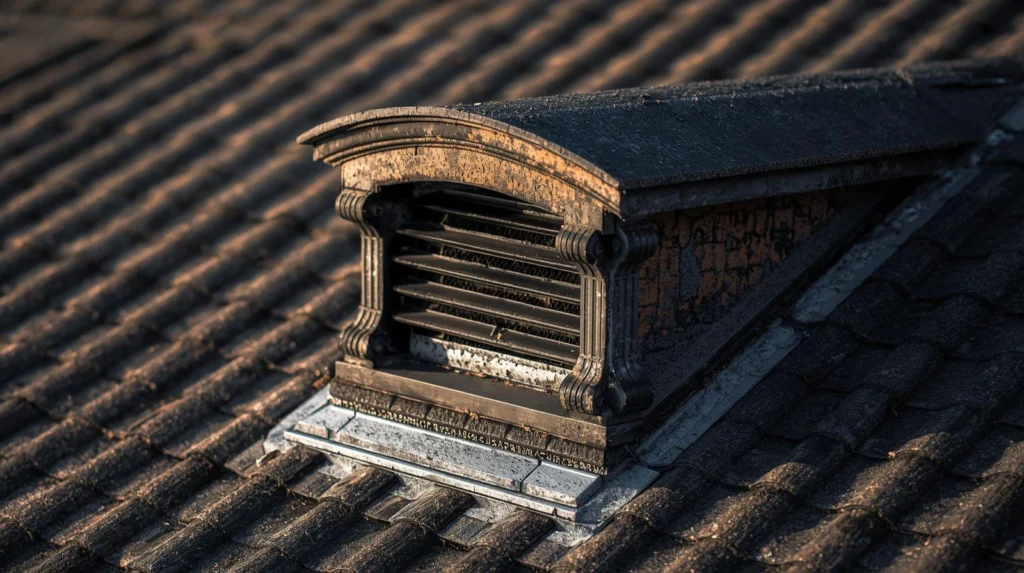
Placed at the roof’s vertical ends, these provide lateral ventilation. While useful, they are most effective when combined with additional vent systems.
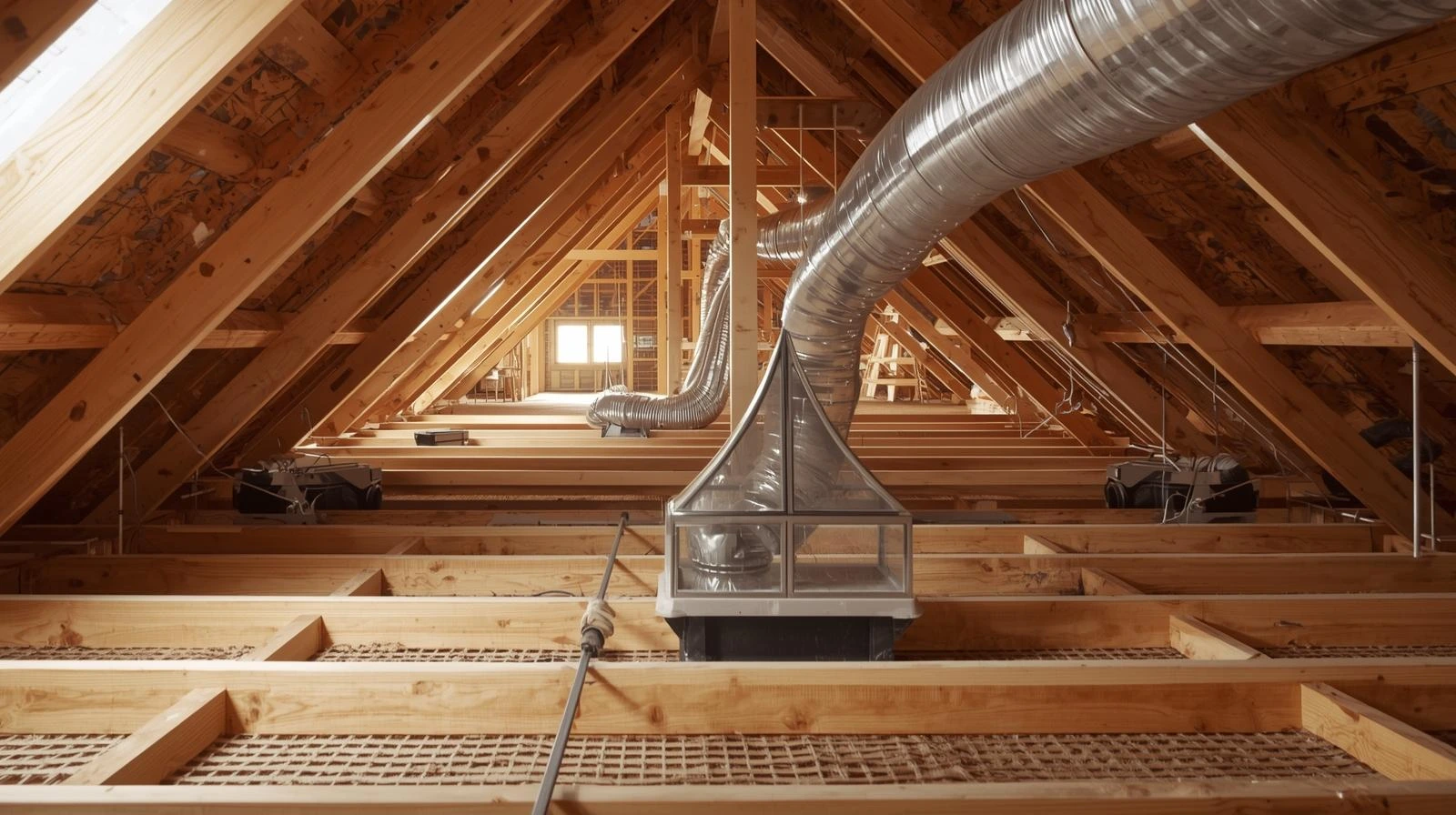
Attic Fans and Powered Ventilation
Ideal for homes with persistent heat issues, powered fans actively move hot air out. They support ventilation but should not replace passive systems entirely.
How to Know If Your Attic Ventilation Is Working Properly
Signs of poor attic ventilation include:
High energy bills
Musty odors in upper floors
Hot second-story rooms
Ice dams forming along roof edges
Premature shingle aging
A professional evaluation from CarbonBlack Roofing can identify airflow issues and recommend solutions suited to Colorado’s climate.
Stop Hidden Attic Damage Before It Starts
Not sure if your attic ventilation is adequate? Schedule a roofing and ventilation inspection today. Contact CarbonBlack Roofing here.
FAQ
1. Why is attic ventilation important in Colorado?
Colorado’s weather swings create heat and moisture challenges inside attics. Proper ventilation keeps roofs stable and reduces storm-related risks.
2. Can attic ventilation prevent ice dams?
Yes. With proper airflow, attic temperatures stay balanced, preventing the melting and refreezing cycle that forms ice dams.
3. How much ventilation does my attic need?
Most homes follow the one-to-one rule: one square foot of ventilation for every 150 square feet of attic space. A professional can determine your exact needs.
4. What happens if my attic has too much ventilation?
Too much ventilation can create drafts and reduce energy efficiency. Balanced airflow is key.
5. Does a roof replacement include ventilation upgrades?
Often, yes. Many roofing projects include updating ridge vents, soffits, or adding additional ventilation for long-term performance.
Key Takeaways
Attic ventilation is crucial for roof health and storm protection.
Proper airflow reduces heat, moisture, and structural stress.
Good ventilation helps prevent ice dams and energy loss.
Improved airflow extends roof lifespan and boosts home resilience.
Professional evaluations ensure balanced, effective ventilation systems.